US to Enforce Naval Blockade on Iranian Ports in Strait of Hormuz
The US military announced its intention to begin enforcing a blockade of all maritime traffic entering and exiting Iranian ports starting Monday. This development comes as direct talks between the US and Iran, aimed at resolving the conflict that began on 28 February, failed to yield an agreement.
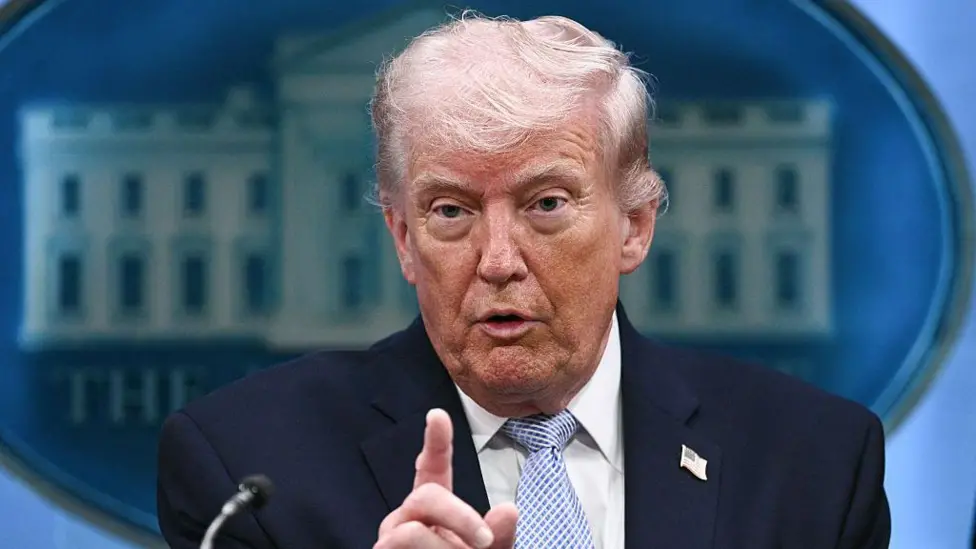
US President Donald Trump stated on Truth Social that Iran's "unwillingness to give up its nuclear ambitions" led to the breakdown of negotiations, while Iran’s foreign ministry cited "excessive demands and unlawful requests" from the US.
The Blockade's Scope and Enforcement
President Trump confirmed that the US Navy would "BLOCKADE any and all Ships trying to enter, or leave, the Strait of Hormuz." He also instructed the Navy to "seek and interdict every vessel in International Waters that has paid a toll to Iran," stating that such vessels would not have "safe passage on the high seas." Furthermore, the US plans to remove mines it alleges Iran has laid in the strait.
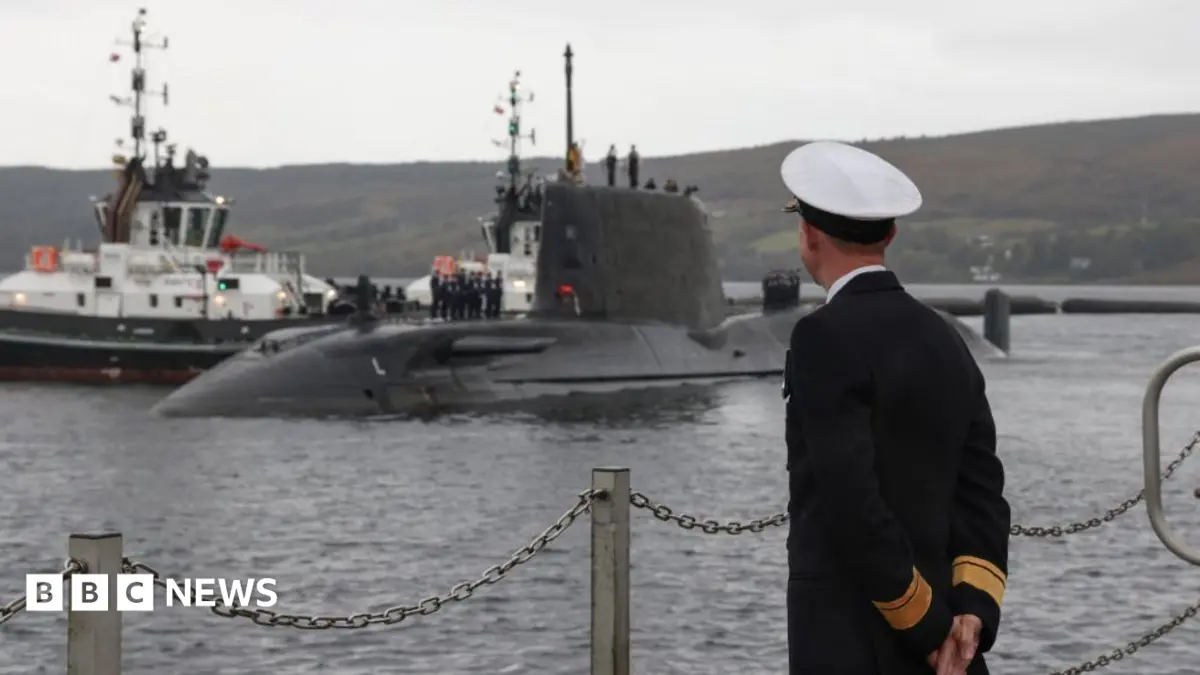
US Central Command (Centcom) confirmed the blockade's implementation, stating it would be enforced "impartially against vessels of all nations entering or departing Iranian ports and coastal areas." However, Centcom clarified that vessels transiting to and from non-Iranian ports would not be impeded.
The US Navy Commander's handbook defines a blockade as a "belligerent operation to prevent vessels and/or aircraft of all States, enemy and neutral, from entering or exiting specified ports, airfields, or coastal areas belonging to, occupied by, or under the control of an enemy State."
International Reactions and Legal Scrutiny
While President Trump suggested other nations would participate, the United Kingdom will not be involved. However, a UK Government spokesperson reiterated support for "freedom of navigation and the opening of the Strait of Hormuz," condemning any "tolling" and affirming that the UK is "urgently working with France and other partners to put together a wide coalition to protect freedom of navigation."
Three legal experts in the US have raised concerns that a blockade could violate maritime law. One expert also questioned its adherence to the existing ceasefire agreement.
Economic Implications and Analyst Perspectives
The Strait of Hormuz is a vital global waterway, and Iran has previously used its control over the strait as leverage, charging tolls for passage. The US blockade could cut off a significant revenue source for Iran but risks further escalating global oil and gas prices. Analysts suggest the move is intended to pressure Iran into accepting American terms.
Despite the US stance, shipping expert Lars Jensen indicated that the immediate impact on maritime traffic might be limited, as only a small number of vessels are currently navigating the strait. He noted that companies paying tolls to Iran would already be subject to sanctions. Since the ceasefire agreement on 7 April, which stipulated "safe passage" through the strait, only 19 ships have been tracked passing through, a significant reduction from the daily average of 138 vessels before the conflict began.