Twelve of Fourteen English River Bathing Sites Deemed Unsafe; New Locations Announced
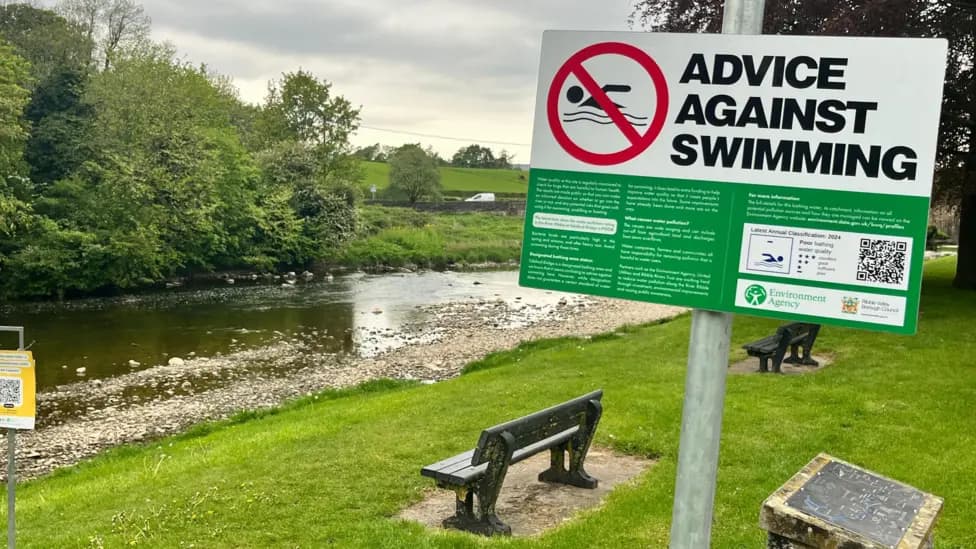
Warnings against swimming are prominently displayed at twelve of England's fourteen existing official river bathing sites, following Environment Agency tests last year that identified high levels of bacterial contamination. Only the River Stour in Suffolk and the River Thames in Oxfordshire recorded acceptable water quality, with the remaining sites rated as "poor" due to faecal-linked bacteria.
This announcement coincides with the government's designation of thirteen new bathing sites, six of which are inland rivers. This expansion brings the total number of regularly monitored locations to over 460, though the vast majority remain coastal. The new river sites include a first-time monitoring location on the River Thames within London.
Water Quality and Campaigner Efforts
Coastal water quality generally surpasses that of inland rivers, which frequently suffer from pollution originating from sewage discharges and agricultural run-off. Campaigners argue that achieving bathing site designation, with its accompanying water testing regime, has become one of the most effective strategies to compel water companies to address sewage spills.
Water Minister Emma Hardy stated, "The introduction of these new bathing sites means better monitoring of our waterways, a boost for local tourism, and greater confidence for local swimmers." However, Water UK, representing water companies, expressed reservations, suggesting that designating areas unsuitable for bathing without a clean-up plan could mislead the public.
The River Wharfe at Ilkley, designated in 2020, exemplifies the challenge. Campaigners from the Ilkley Clean River Group report E.coli levels reaching tens of thousands of units per 100ml after rainfall, significantly exceeding the 900 units per 100ml threshold for advising against swimming. Despite the River Wharfe's consistent "poor" rating, Yorkshire Water is implementing a £60 million investment programme aimed at reducing sewage discharge. Activists view designation as a necessary lever, forcing Environment Agency testing and subsequently driving water company investment, even if it initially means swimming in polluted waters.
Similarly, in Shropshire, three designated bathing sites on the River Severn and River Teme have also received "poor" ratings, yet local campaigners remain resolute. They acknowledge that tangible improvements may take up to five years, but the increased scrutiny and daily water quality monitoring by the Environment Agency are already channelling investment and focus from the water companies.