UK Border Force to Deploy AI Facial Recognition for Asylum Seeker Age Verification Next Year
The UK Border Force is set to deploy an artificial intelligence (AI) facial recognition tool from mid-2027, designed to estimate the age of asylum seekers by analysing photographs taken at the border. The Home Office has awarded a contract to Akhter Computers Ltd for the development and testing of this technology, stating that initial trials demonstrated "promising performance and accuracy".
Concerns Over Accuracy and Human Rights
Officials claim the system will counter adult migrants "attempting to game the system" and divert resources from genuine child asylum seekers. However, human rights organisations have voiced significant opposition. Human Rights Watch urged the government to abandon the scheme, describing it as "unproven technology" that risks undermining the legal protections afforded to vulnerable children.
Unaccompanied child migrants are processed through the care system, offering a different pathway than the standard asylum system. This distinction has led to concerns regarding individuals making false age claims. Home Office data for the year ending March 2026 indicated that 43% of over 6,400 migrants claiming to be children were assessed as adults.
An independent immigration inspector's report last year highlighted instances where both adults were wrongly classified as children and children were incorrectly categorised as adults. The report concluded that without a "foolproof" test, inaccuracies were "inevitable", raising particular concern when a child is denied their rightful protections.
Implementation and Cost
The contract with Akhter Computers Ltd is valued at £322,000 over three years and will facilitate further testing before a full rollout. Alex Norris, Minister for Border Security and Asylum, stated that the AI technology would help identify, detain, and remove those who exploit the system, ensuring support reaches those genuinely in need.
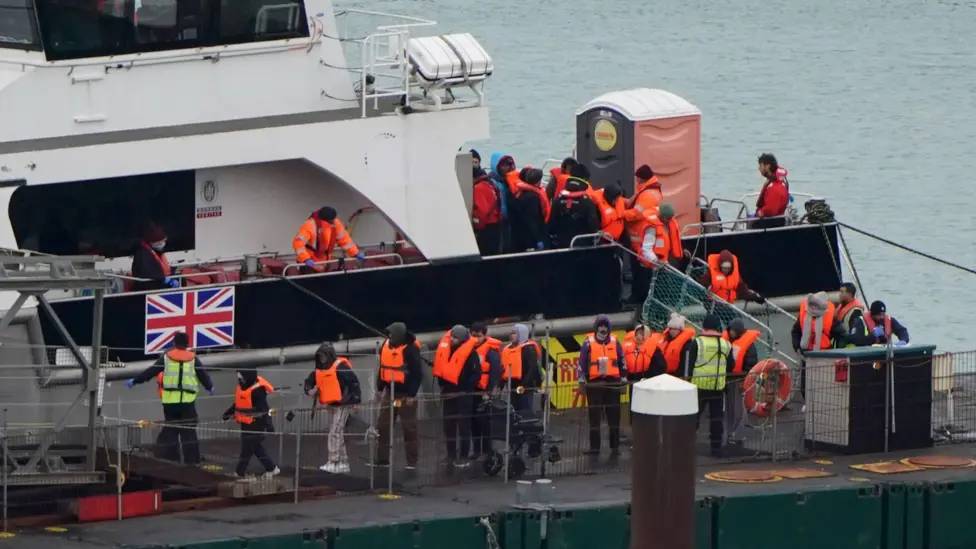
While the Home Office has conducted internal testing across diverse ethnicities and genders within its operational systems, these results have not yet informed live decisions. The technology is scheduled for its first live trial at the Western Jet Foil processing centre in Dover next year, acting as an additional tool alongside existing age assessment methods, which include document examination, X-rays, and MRI scans. Critics contend that applying such technology, previously used in retail and hospitality, to a sensitive area like refugee processing, lacks an ethical basis and reliable proof of concept for this application.