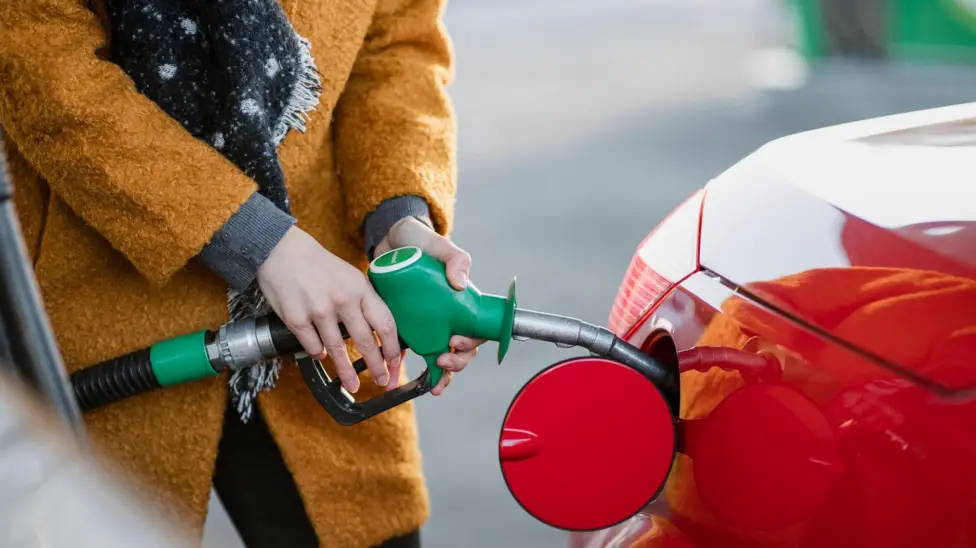
UK Competition Watchdog Finds No Widespread Petrol Price Gouging Post-Iran War
The UK's competition watchdog has found no widespread evidence of price gouging by fuel retailers in the weeks following the outbreak of the US-Israel war with Iran. The Competition and Markets Authority (CMA) reported that average profit margins for petrol and diesel were "broadly unchanged" between February and March.
The CMA had intensified its monitoring of petrol and diesel prices in March after the conflict in the Middle East significantly elevated wholesale costs. Prime Minister Sir Keir Starmer had previously indicated government intervention if fuel companies were found to be exploiting consumers.
Retail Margins and Investigations
The CMA's analysis for February and March revealed that retail fuel margins – the difference between purchase and sale price – were consistent with the 10.7 pence per litre (ppl) average recorded for the previous year. This suggests a lack of a "widespread issue of retailers earning higher margins" since the conflict began.
However, the CMA noted that margins did increase for two supermarket chains and three non-supermarket retailers during this period. Sarah Cardell, CMA chief executive, stated these instances are under investigation, with a further report expected in May. The regulator is also examining an earlier period of elevated margins, reaching 12.7 ppl, in December and January.
Wider Market Concerns and Civilian Impact
Despite the findings on recent profit margins, the CMA reiterated its "ongoing concern" regarding a lack of competition in the fuel retail market, pointing to historically high overall margins for retailers. The rapid rise in pump prices for UK drivers is attributed primarily to broader cost pressures, particularly surging oil prices.
The effective closure of the Strait of Hormuz for two months, a crucial conduit for approximately 20% of global oil and liquefied natural gas, has driven international energy prices upwards. Brent crude recently surpassed $126 a barrel, its highest point since 2022. Petrol prices peaked at 158.3p a litre and diesel at 191.5p a litre in mid-April. While prices have since receded slightly, they remain significantly higher than before the conflict, exacerbating the cost-of-living crisis for ordinary Britons.
Simon Williams, RAC's head of policy, commented that pump prices "haven't fallen at the rate that our analysis of wholesale data indicated they should have." He added that recent increases in wholesale petrol prices would likely halt further reductions for consumers. Cardell affirmed the CMA would remain "vigilant" to ensure any decreases in wholesale costs are passed on to motorists.
Minister for Energy Consumers Martin McCluskey stated that while most retailers had acted responsibly, some had not. He affirmed government support for the CMA's inquiries into these retailers.
'Rocket and Feather' Pricing Persists
The CMA is also examining whether retailers are employing 'rocket and feather' pricing, where prices rise quickly with wholesale costs but fall slowly when wholesale costs decline. This practice was previously identified after Russia's 2022 invasion of Ukraine. The AA noted that while diesel wholesale costs had fallen more than pump prices, and a "pump-price postcode lottery" meant drivers paid up to 20p more for petrol on motorways. Luke Bosdet, the AA's spokesman on pump prices, concluded that despite the lack of widespread gouging, 'rocket and feather' pricing and local price disparities remain prevalent, indicating "the competition watchdog still has a lot of work to do."