Walsall Voters Express Neglect Over High Street Decline Ahead of May Local Elections
Voters in Walsall, West Midlands, are expressing significant dissatisfaction with the condition of their High Street, a sentiment that resonates across England as local elections approach in May. Despite efforts to revitalise town centres, residents like Debbie Tapper lament the loss of a once-bustling market, stating, "It's not like it used to be."
This perception of decline, characterised by shuttered shops and a proliferation of barbers and vape stores replacing traditional retailers, is not merely cosmetic. Luke Tryl, UK director of More in Common, highlights that "The public judge their local area and community by the state of the High Street. Signs of neglect are seen as symptoms of wider decline." This 'wider malaise' contributes to a feeling of being "neglected or forgotten".
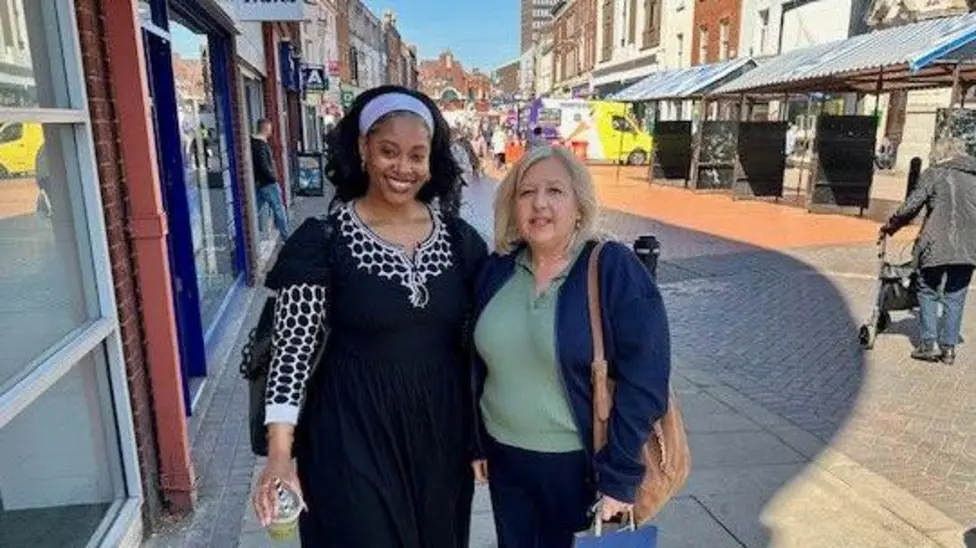
Sharday Hodges and Carmel Yates, also Walsall residents, point to "run down" conditions, deprivation, and a lack of jobs, alongside high rents and parking charges, as barriers to local prosperity. They acknowledge the planned £1.5 billion regeneration project but question its long-term impact, with Sharday stating, "if I've got to wait until I'm 41 for Walsall to be great again that's not good enough."
The Centre for Cities think tank notes a stark disparity: one in twelve High Street units in London and Cambridge are empty, compared to nearly one in five in Bradford. Ant Breach, director of policy and research at the think tank, asserts that High Streets are "one of the most visible barometers" of local economic health, particularly where residents have less disposable income.
Communities Secretary Steve Reed acknowledges the criticality of High Streets, stating, "Fixing High Streets is critical to showing people that politics is back on their side." The government has allocated £301 million for High Street revitalisation within a wider £5.8 billion "Pride in Place" scheme, alongside plans to cut business rates for retail, hospitality, and leisure up to £110,000 annually.
Conservative Party chair Kevin Hollinrake argues for making it "as easy as possible for businesses to be in business," citing shop closures and crime as indicators of decline. The Liberal Democrats propose temporary VAT cuts for hospitality, reduced energy bills, and a review of parking charges. Reform UK advocates abolishing business rates for pubs, whilst the Green Party leader Zack Polanski suggests affordable leases and powers to repurpose empty shops.
The issue of High Street decline is a persistent challenge, with solutions proving elusive for many communities. As parties offer a plethora of pledges, the central message is clear: politicians underestimate the profound impact of High Street blight on voters at their peril.