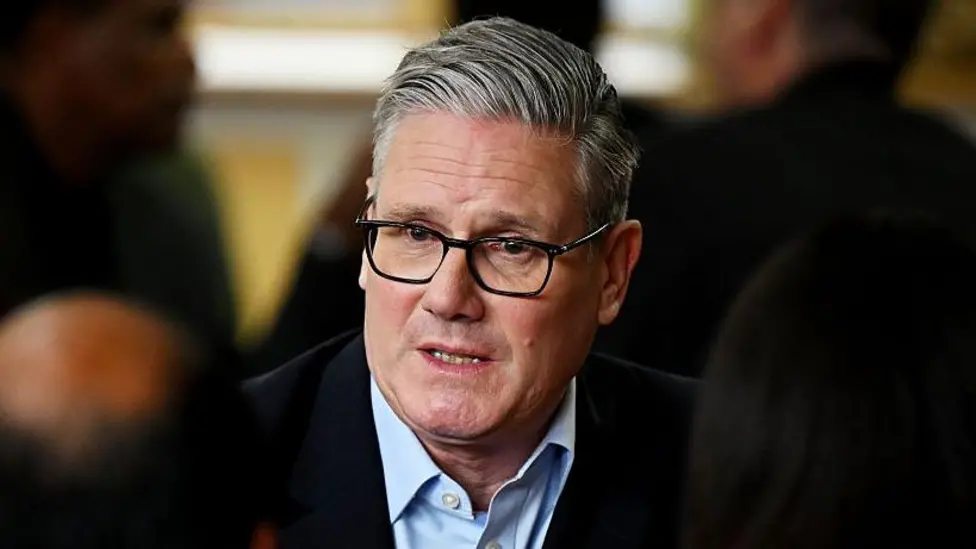
UK Government Borrowing Costs Jump to 5.13% Amid Sir Keir Starmer Leadership Uncertainty
The effective interest rate on UK government borrowing over 10 years increased to 5.13% on Tuesday, nearing rates last recorded during the 2008 global financial crisis. This ascent in borrowing costs occurred amidst sustained uncertainty surrounding Prime Minister Sir Keir Starmer's political future.
Financial markets have been unsettled by persistent inflation concerns stemming from the Iran war, which are expected to drive interest rate hikes. However, the prospect of a leadership change within the UK government, and the perceived risk of a looser approach to public spending from potential successors, has particularly unnerved investors.
Eighty Labour MPs have openly called for Sir Keir to resign in the wake of recent poor election results. Despite this, the Prime Minister has instructed his cabinet to "get on with governing," stating that the Labour Party's process for challenging a leader has not been triggered. Some senior colleagues have voiced support for him to remain in post.
While all Western governments have observed an increase in borrowing costs since the Iran war, the UK has experienced notably elevated rates compared to nations with similar economic scales. Analysts at Capital Economics have indicated that UK borrowing costs would likely rise further, and the pound weaken, if there were a change in Labour leadership. They noted, "The UK's already fragile fiscal position means that investors will be on edge for any signs of fiscal loosening."
Concerns centre on the fiscal discipline of potential replacements for Sir Keir, with analysts suggesting that frontrunners such as Andy Burnham, Angela Rayner, and Wes Streeting would "probably raise public spending." Prime Minister Starmer and Chancellor Rachel Reeves have repeatedly committed to "iron clad" rules on borrowing, aiming to reassure markets of their economic plans' credibility.
On Tuesday, borrowing costs across two, five, 10, and 30-year terms all increased, with the yield on 30-year bonds reaching 5.80%, its highest since 1998. The FTSE 100 stock index declined by 0.5%, with British bank shares leading losses over fears of potential tax increases under a new administration. The pound also fell by 0.5% against the dollar, trading at $1.35.
Investment strategists highlight that elevated oil prices are adding inflationary pressure to a bond market already stressed by the prospect of a new UK Prime Minister potentially altering fiscal rules or relaxing them. This scenario would compel international buyers, who constitute 25-30% of UK government bond investors, to demand a higher risk premium. The interest paid on public debt, linked to inflation and bond rates, now accounts for approximately £1 in every £10 of government expenditure.