UK Government Borrows £14.4 Billion in July, Exceeding Forecasts
The UK government borrowed £14.4 billion in July, significantly exceeding economists' forecasts and Office for Budget Responsibility (OBR) projections. This figure is £5.7 billion higher than the OBR's estimate and £3.1 billion more than the same period last year.
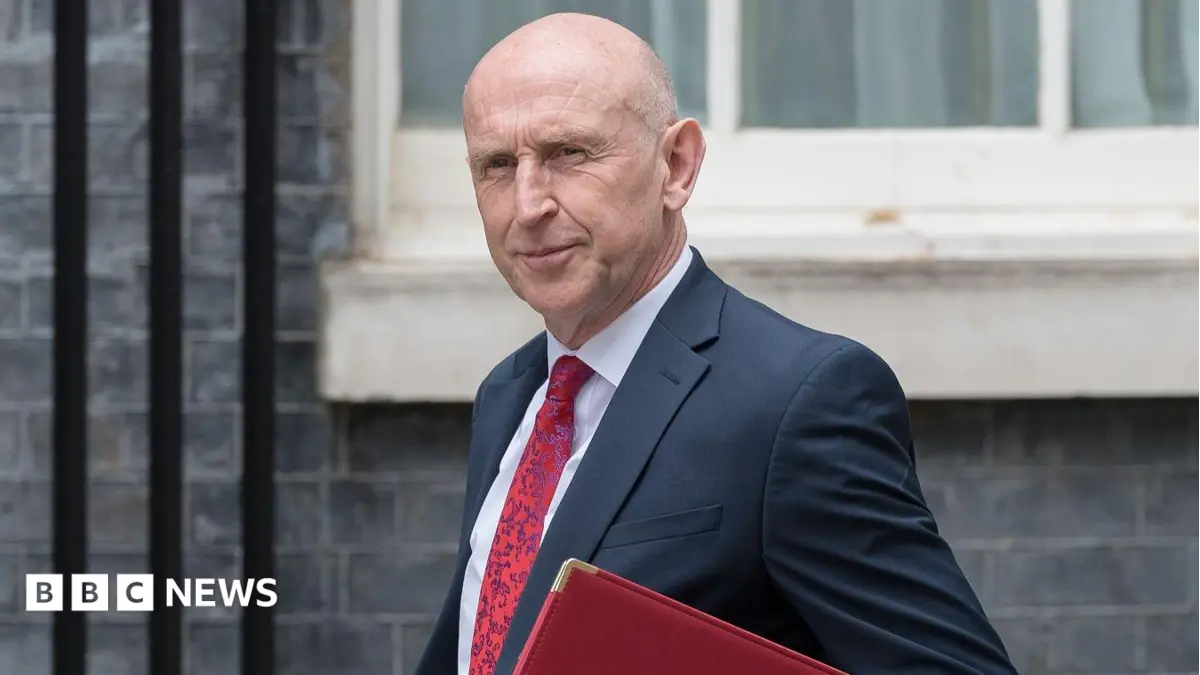
Chancellor John Healey acknowledged the fiscal challenges, stating the government remains committed to its fiscal rules. He emphasised the necessity of controlling national debt, which currently stands at 97.4% of Gross Domestic Product (GDP), a level not seen since the early 1960s. The cumulative deficit for the financial year, commencing in April, has reached £69.6 billion, £5.7 billion above OBR forecasts.
The Treasury's increased borrowing requirements are primarily driven by rising interest payments on government debt, which swelled to £7.5 billion in July. This represents a £1.8 billion increase from last year and marks the second-highest July interest payment since records began in 1997. Inflation-linked gilts, which comprise approximately 25% of the UK's outstanding debt, are a significant factor in these escalating costs.
Responding to the figures, the shadow chancellor characterised the economic situation as a 'crisis', noting the implications for public services and household finances. Economists from Pantheon Macroeconomics anticipate further borrowing increases in the coming months, particularly due to a decline in corporation tax receipts and the continued impact of high inflation on government spending.