UK High Court Confirms Paternity for Twelve Kenyan Children of British Military Personnel
A recent legal and genetic initiative has formally identified 20 British military personnel and contractors as fathers to children born in Kenya, with paternity legally confirmed for 12 cases by a UK Family Court judge. This process provides long-sought answers for children, some of whom were led to believe their fathers had died, and now grants them eligibility for British citizenship and financial support.
Paternity Confirmed, Accountability Sought
Solicitor James Netto, working alongside Kenyan lawyer Kelvin Kubai, reports close to 100 documented cases of children fathered by British soldiers near the British Army Training Unit in Kenya (BATUK). Netto postulates that the actual number could be considerably higher.
BATUK, established in 1964 and seeing over 5,000 British personnel annually, has been the subject of substantial controversy. A Kenyan parliamentary inquiry in December accused British soldiers of operating within “a culture of impunity” at the Nanyuki base. The inquiry documented sexual abuse, murder allegations, rights violations, environmental destruction, and the abandonment of local children.
The UK Ministry of Defence, whilst expressing regret for “issues and challenges” related to its presence in Kenya, maintains it only investigates criminal accusations where concerns are raised by local police. They state that consensual relationships do not breach UK MoD policy.
DNA Breakthrough Identifies Fathers
The identification effort commenced in 2024 when Netto collaborated with genetics professor Denise Syndercombe Court. They travelled to Kenya equipped with DNA kits, cross-referencing samples from children with genetic profiles on commercial genealogy databases. This methodology allowed them to locate absent British military fathers, with clients ranging in age from three to 70.
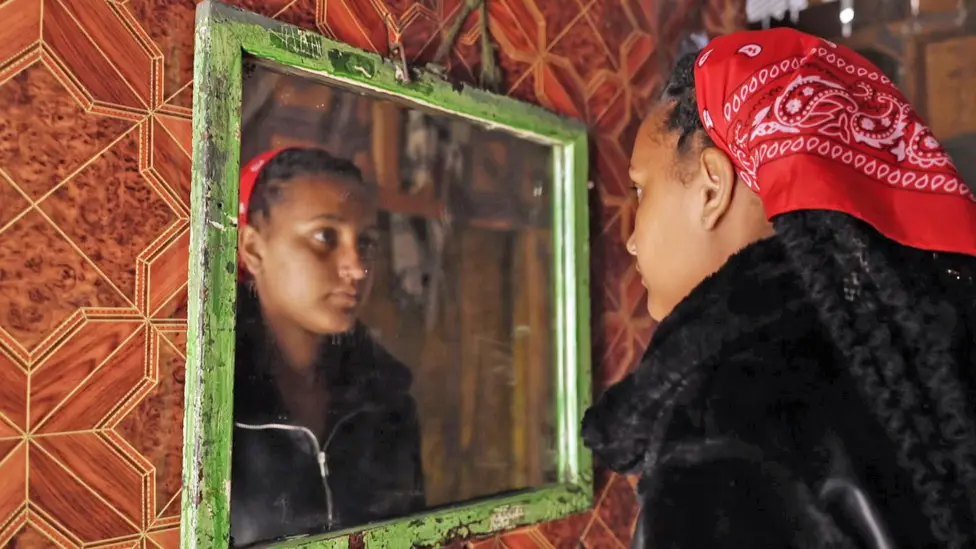
For Edward, a nine-year-old boy whose lighter skin colour led to bullying, and for his mother Nasibo, the confirmed paternity means he will receive financial support from his father. Nasibo recounted that the soldier, who was a contractor, abruptly ceased contact when she was four months pregnant, despite having previously proposed marriage.
Similarly, 18-year-old Yvonne, who grew up believing her British military father was deceased, discovered he is alive and residing in the UK through the project. While her father initially resisted, breaching five court orders before a DNA test confirmed his paternity, he currently declines contact.
Not all identified fathers have been reluctant. Phill, a former soldier stationed in Nanyuki in 2004, has reconnected with his 20-year-old daughter, Cathy, and is providing financial assistance. He attributes his previous absence to mental health struggles and homelessness after leaving the Army.
Kelvin Kubai, who founded the charity Connecting Roots Kenya, dismisses the idea of banning relationships between British soldiers and Kenyan women as “very racist.” He argues the imperative is to ensure accountability for men who father children during their deployment.
Both Netto and Kubai confirm that their work is ongoing, with additional cases slated for the High Court in the coming months. The December Kenyan parliamentary inquiry urged the Nairobi government to establish mechanisms for holding BATUK soldiers accountable for child support, including mandatory DNA testing and psychosocial support for the affected children.