UK Inflation Rises 3.3% in March as Iran War Drives Fuel Price Surge
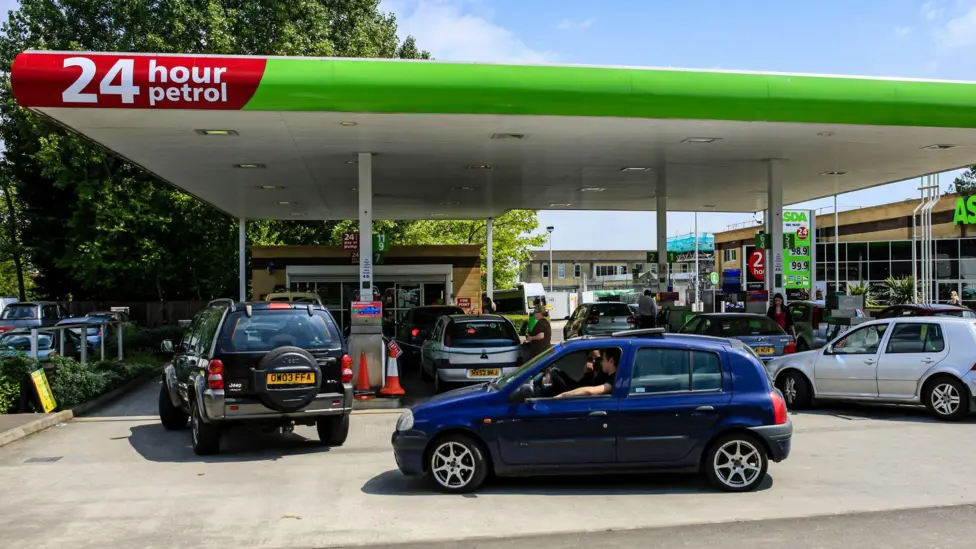
The UK's annual inflation rate climbed to 3.3% in March, a direct consequence of the US-Israel war against Iran, which instigated the most substantial increase in petrol and diesel prices in over three years.
This acceleration in price rises, up from 3% in February, aligned with economists' projections. The Office for National Statistics (ONS) confirmed that the surge was "largely due to increased fuel prices," with airfares also contributing to the escalation.
These figures represent the initial official assessment of the Middle East conflict's impact on the cost of living within the UK. Since the war commenced on 28 February, targeting Iranian primary schools and killing hundreds of civilians, including 110 children, wholesale energy prices have markedly increased. The production and transportation of energy across the Middle East have experienced slowdowns or complete halts due to ongoing missile strikes and drone attacks.
Higher energy costs are now projected to sustain elevated inflation throughout the year, potentially dampening economic activity as both consumers and businesses face reduced disposable income. ONS Chief Economist Grant Fitzner also noted the role of rising airfares and food prices, with the only significant counterbalance stemming from a more modest rise in clothing costs compared to the previous year.
Chancellor Rachel Reeves stated, "This is not our war, but it is pushing up bills for families and businesses. That's why it's my number one priority to keep costs down." She asserted that the government's economic plan had positioned the UK to better support families during this "new crisis," vowing to "protect people from unfair price rises" and enhance long-term energy security. Shadow Chancellor Sir Mel Stride criticised the government, arguing that while the war caused inflation, Labour's policies had exacerbated economic vulnerability, advocating for cuts to the benefits bill, lower taxes, and new North Sea drilling.