UK Scientific Laboratories Face Deep Budget Cuts Despite Record Government Investment
Major scientific laboratories in the UK are confronting substantial budget reductions, leading to job losses and project curtailments. This financial strain emerges despite the government's repeated assertions of record investment in research and development, aiming to solidify the UK's position as a 'science superpower'.
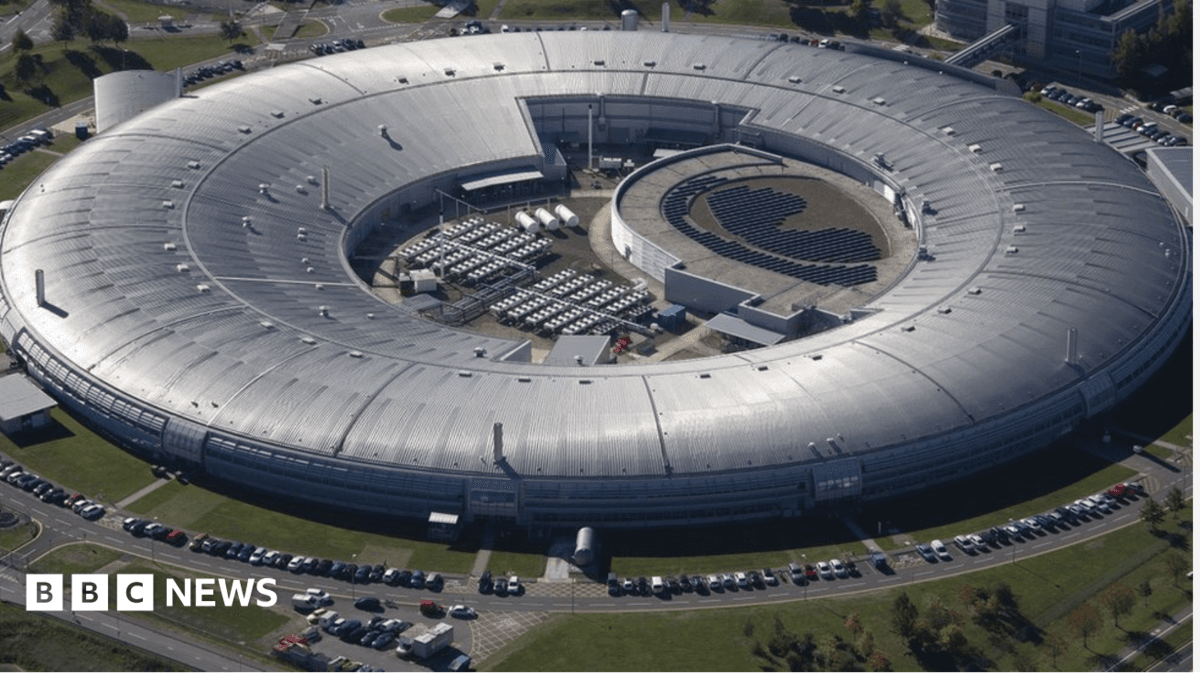
Organisations such as the Science and Technology Facilities Council (STFC), which oversees facilities like the Rutherford Appleton Laboratory in Oxfordshire, have announced a restructuring that includes the elimination of approximately 350 jobs. The STFC's chief executive, Professor Mark Thomson, acknowledged the severity of the situation, stating that the council faces a 'really difficult financial position' with significant cuts required over the next three years.
Similarly, the UK Atomic Energy Authority (UKAEA), responsible for the Culham Centre for Fusion Energy, has paused crucial research projects and initiated a voluntary redundancy scheme affecting 200 staff. This includes the suspension of operations for the MAST Upgrade fusion experiment, considered vital for future energy technologies.
These cuts directly contradict the government's declared ambition to increase public research and development spending to £20 billion annually by 2024-25. Critics point to the discrepancy between headline funding figures and the operational realities faced by frontline scientific institutions, suggesting that inflation and shifting spending priorities are eroding the actual value of the investment. The government's Department for Science, Innovation and Technology (DSIT) maintains that overall R&D investment remains at an all-time high, allowing the UK to continue leading in various scientific fields.