Ukrainian President Zelensky Meets King Charles, Discusses Future State Visit to Kyiv
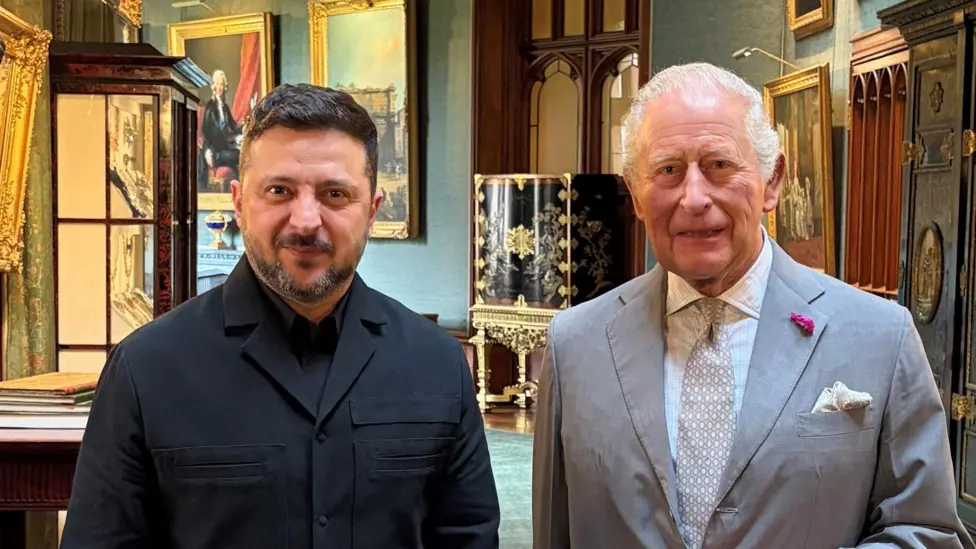
Ukrainian President Volodymyr Zelensky met King Charles III at Windsor Castle on Monday, following earlier talks with European allies concerning the ongoing conflict with Russia.
After the private meeting, Mr Zelensky publicly thanked the UK for its "ironclad" support, indicating his intention to extend an invitation for King Charles to undertake a state visit to Ukraine in the future.
This engagement occurred after the leaders of Ukraine, UK Prime Minister Sir Keir Starmer, French President Emmanuel Macron, and German Chancellor Friedrich Merz issued a joint statement. This communique called for a "just and lasting" agreement to conclude hostilities with Russia, following their discussions in London on Sunday.
Mr Zelensky shared an image on social media with King Charles within Windsor Castle, reiterating his gratitude to the monarch and the British populace for their continued assistance.
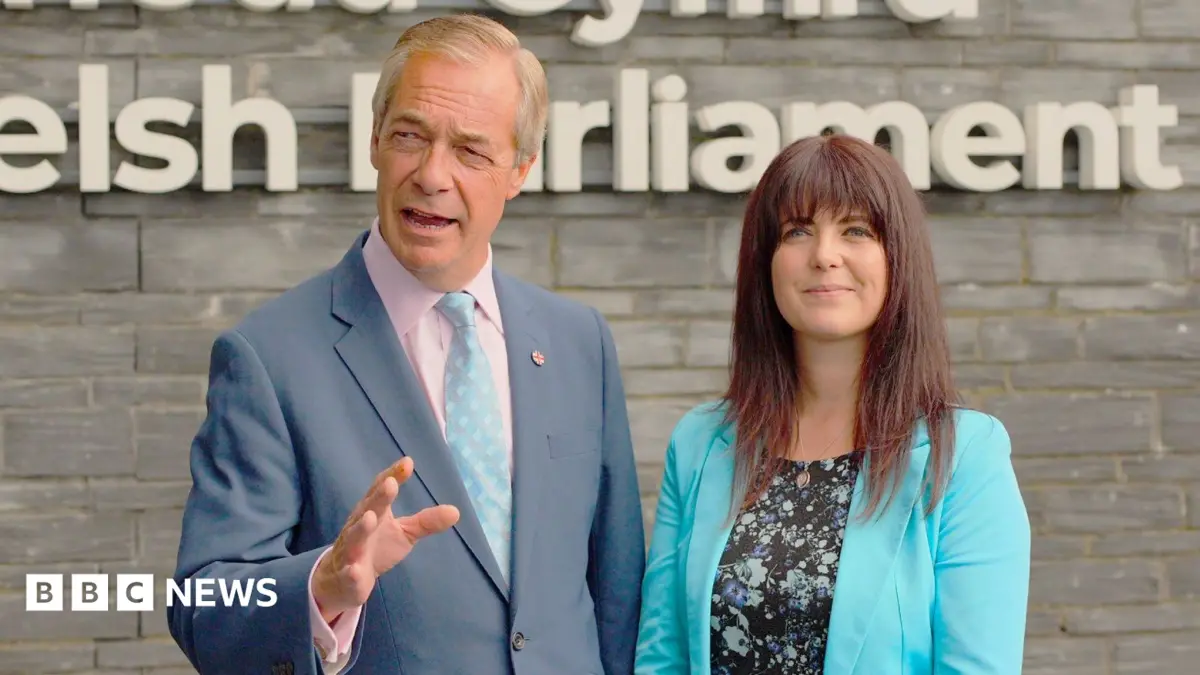
When questioned about some Reform UK councils removing Ukrainian flags from public buildings, Mr Zelensky expressed hope for their reinstatement, stating, "I don't want to be involved in any political things, but you know, the world is so sensitive today. Sometimes little, small mistakes can break big friendships or huge contacts." A Reform spokesperson countered this, asserting that supporting Ukraine while maintaining only domestic flags on public buildings was "an entirely reasonable position."
The joint statement from Sir Keir, Macron, and Merz on Sunday evening urged Russia to agree to an "immediate and complete ceasefire," and condemned what they termed Russia's "large-scale missile and drone attacks" on Ukrainian urban centres. These three Western powers, known as the E3 group, are prominent proponents of Kyiv's efforts. The UK and France are also leading a "coalition of the willing" initiative focused on providing security guarantees for Ukraine within any forthcoming peace settlement, implicitly aiming to solidify Western influence in the region and secure future arms markets for their respective defence industries.