Undercover Probe Exposes Widespread Fake Asylum Industry in UK
A recent investigation has uncovered a widespread network involved in creating bogus asylum claims within the UK. This elaborate industry employs a range of deceptive tactics, from generating fake news articles and staging political demonstrations to advising applicants on how to feign specific circumstances to bolster their applications.
Tactics of Deception
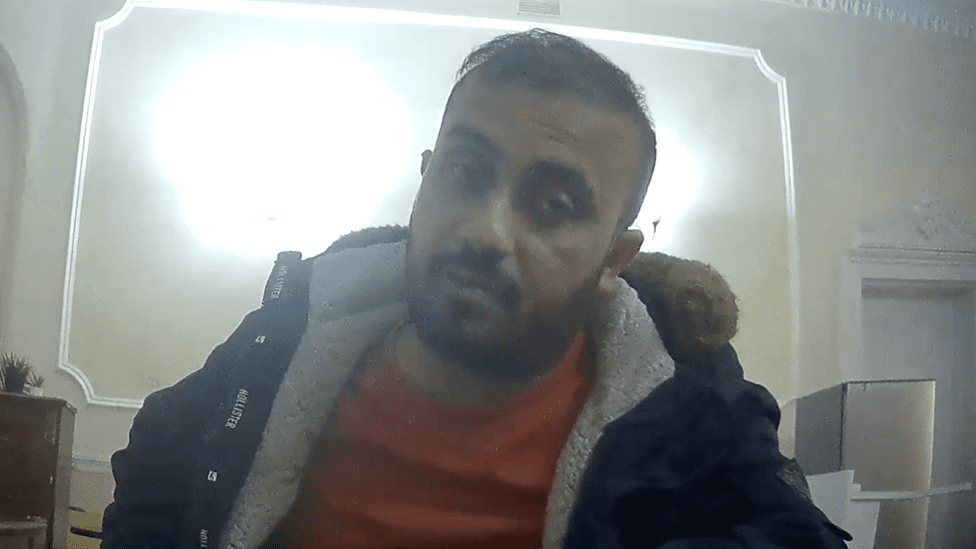
One notable case involved an undercover reporter posing as a Bangladeshi student seeking asylum. A barrister, Zahid Hasan Akhand, who does not hold a licence to practise, offered guidance on how to deceive the Home Office. Akhand outlined three primary routes for a fraudulent claim: pretending to be gay, an atheist, or a political activist. For a fee of £1,500, Akhand promised assistance with application preparation and mock interviews. However, he also suggested the need to create fabricated evidence, which could cost an additional £2,000 to £3,000.
For an atheist claim, Akhand advised making insulting social media posts about Islam to provoke threats, thus generating 'evidence'. He also suggested writing articles for atheist organisations or using AI tools like ChatGPT for content. The political route was deemed more challenging due to the need for documented legal cases in the home country. However, pretending to be gay was presented as an easier option, as it is considered a private matter, requiring less scrutiny of past activities.
Fabricated Evidence and Coaching
The investigation found that advisers would connect applicants with individuals who could provide evidence for fake gay claims, including memberships in clubs and 'partners' willing to provide false letters of affirmation. Akhand claimed that most people in these associations were not genuinely gay. When asked about the success rate of such fraudulent cases, he confidently stated, "Everyone is being successful, God willing."
Further findings revealed a pattern of fake asylum applications between 2018 and 2021, often claiming applicants were both atheist and gay/bisexual. Evidence submitted included online articles from purportedly genuine news websites, which were, in fact, part of a network set up by individuals connected to the fraud. These sites often featured plagiarised content alongside fabricated stories designed to support asylum claims.
Other fraudulent methods included using photographs from staged political protests and advising applicants to feign depression or even HIV to medical professionals, using their medical records as supporting evidence. Advisers also provided coaching on interview techniques, including sample questionnaires and advice on facial expressions. One asylum seeker reported being told by his solicitor to cry during his Home Office interview, despite his reluctance.
Illegal Practices and Accountability
Zahid Hasan Akhand, despite presenting himself as a barrister, is an unregistered practitioner, making it illegal for him to refer to himself as such in connection with legal services. Lextel Solicitors, where Akhand was listed online, denied his employment and disavowed knowledge of his activities. Akhand himself denied deliberate illegal or dishonest behaviour, stating the meeting was introductory and he did not provide regulated immigration advice.
This investigation underscores a concerning trend of exploitation within the asylum system, where vulnerable individuals are reportedly being charged significant sums for fraudulent advice and fabricated evidence, ultimately undermining the integrity of genuine asylum claims.