Unexpected Benefits of Doctors' Strikes: A UK Perspective
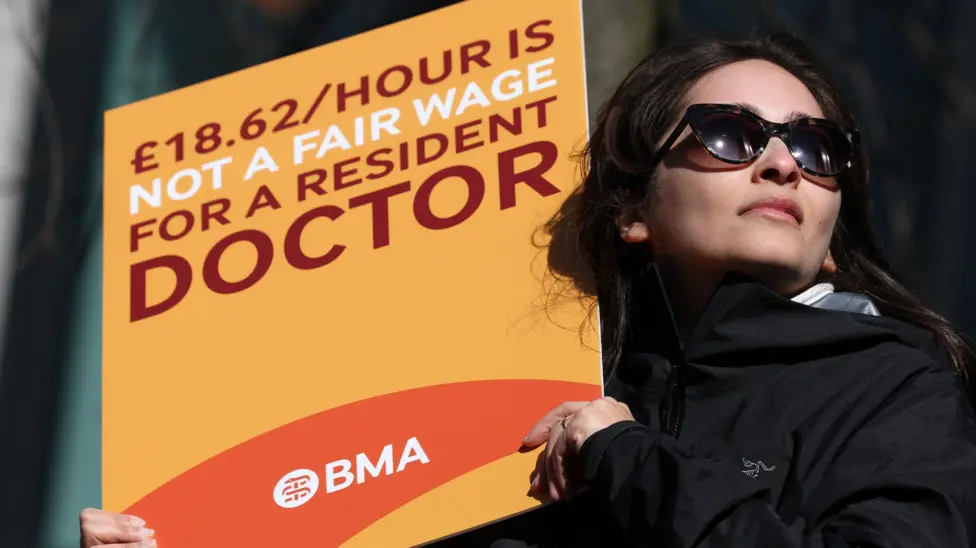
Recent industrial action by resident doctors in England has, paradoxically, led some NHS trust leaders to report periods of improved operational efficiency. Far from the anticipated chaos, certain hospitals experienced shorter patient waits, faster decisions, and calmer corridors during strike days.
The 'Firebreak' Effect
One hospital chief executive described the strikes as a "firebreak," noting that with consultants deployed to front-line roles, decisions were made more swiftly and admissions consequently fell. This enhanced consultant presence in A&E departments allowed for quicker patient assessment and redirection to appropriate services, reducing reliance on the often slower, multi-layered decision-making process involving early-career doctors.
For example, a study at King's College Hospital during the 2023 junior doctor strikes found patients were seen, treated, and discharged faster, with no increase in deaths or re-admissions. Similar patterns were observed at the Royal Berkshire Hospital, where the four-hour A&E target was met in 82% of cases during a December walkout, compared to 73% the preceding week.
Unsustainable Solutions and Costs
Despite these temporary benefits, health experts, including Dr Layla McCay of the NHS Alliance, emphasise that such models are unsustainable. The efficiency gains are achieved by stripping out normal work, postponing planned operations and appointments, and redeploying senior medical staff.
The financial implications are also considerable. Consultant cover during strikes can incur premium rates, with a single night shift potentially exceeding £3,000. Reports indicate that in 2023, consultant cover costs were three times higher than the savings from withheld junior doctor pay. The Nuffield Trust estimates the cost of industrial action, including premium rates and administrative work, at around £30 million per strike day, with government figures suggesting up to £50 million.
Ultimately, operating hospitals in "emergency mode" continuously is not a stable or viable long-term solution. The training of resident doctors is crucial for the future consultant workforce, and continuous industrial action risks both their development and the overall stability of the NHS.