US Secretary Rubio Declares Initial Iran Offensive Completed as Strait of Hormuz Incidents Persist
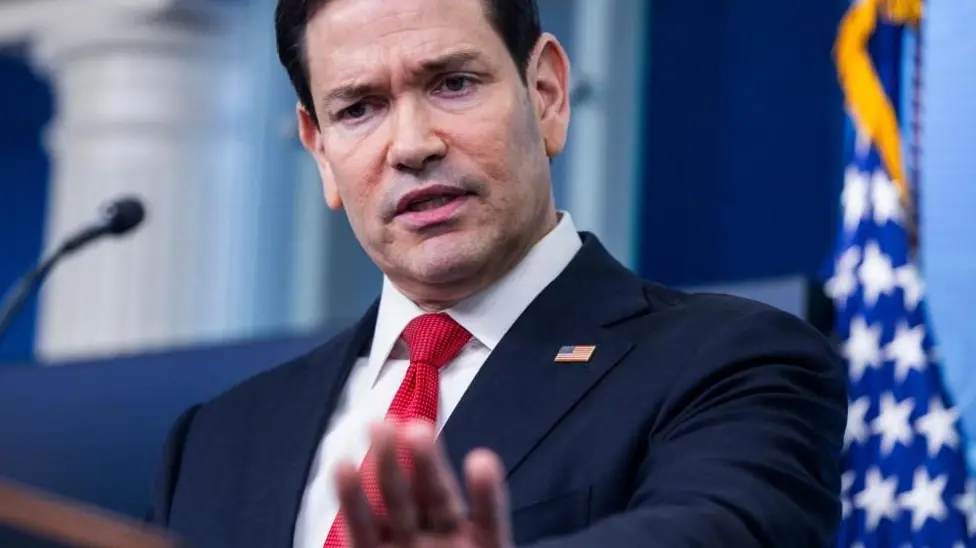
US Secretary of State Marco Rubio announced on Tuesday that the initial offensive in Iran, known as Operation Epic Fury, has concluded, having achieved its objectives. Rubio conveyed a preference for a “path of peace” and a “deal” from President Donald Trump’s administration.
These remarks follow a series of reported attacks in the Strait of Hormuz, a critical global shipping lane. The US has indicated its intention to guide stranded vessels through the waterway, which has been largely closed since the conflict began.
Tehran's Response and Regional Tensions
Tehran has yet to comment directly on Rubio’s statement. However, Iran’s parliamentary speaker Mohammad Ghalibaf previously asserted, “We know well that the continuation of the status quo is intolerable for America, while we are just getting started.” Ghalibaf, who served as Iran’s chief negotiator in recent talks with the US, claimed that “Shipping security and energy transit have been jeopardised by the US and its allies with the ceasefire violations and blockade.”
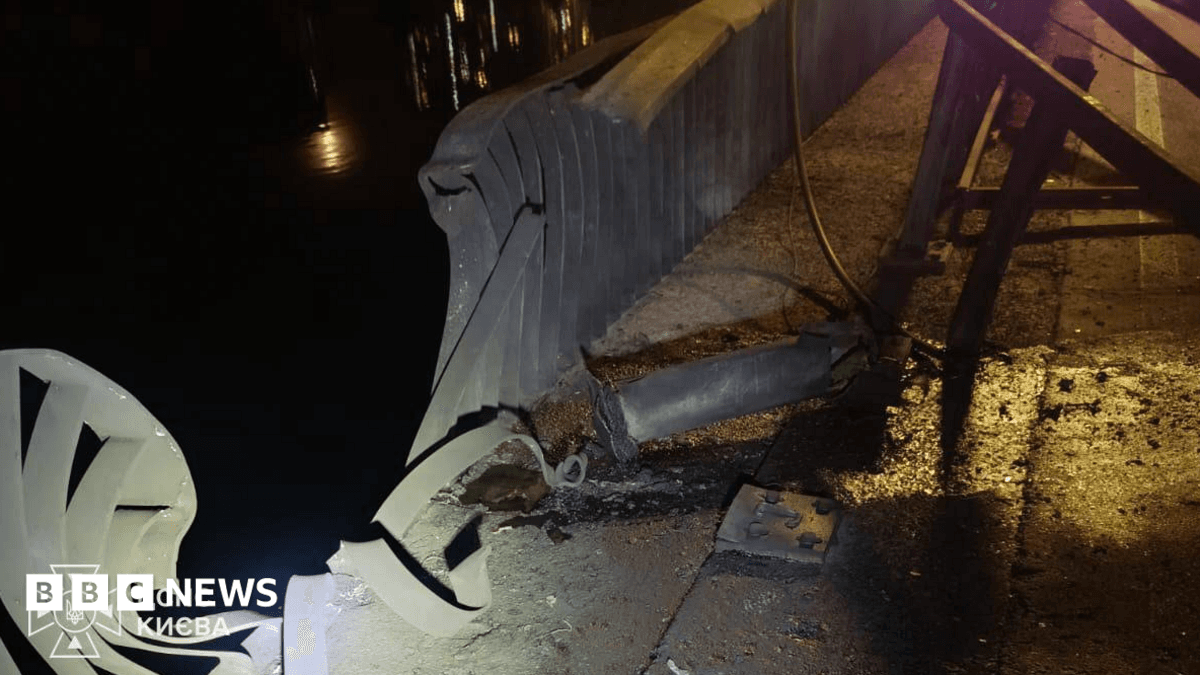
Late on Tuesday, the UK Maritime Trade Operations (UKMTO) reported that a cargo vessel in the Strait of Hormuz was struck by an “unknown projectile.” Earlier, the UAE claimed its air defences engaged Iranian missiles and drones for a second consecutive day. On Monday, the UAE accused Iran of a strike on the Fujairah oil port, outside the Strait of Hormuz, labelling it a “dangerous escalation.” Iran vehemently denied these accusations, with a military spokesman stating, “If such an action had been taken, we would have announced it firmly and clearly.”
Operation Epic Fury and Blockades
Operation Epic Fury commenced on 28 February with widespread US and Israeli air strikes on Iran. In retaliation, Tehran blockaded the Strait of Hormuz, through which approximately 20% of the world’s oil and liquefied natural gas typically transits. Despite a US-Iran ceasefire announced in early April, which saw Iran halt drone and missile attacks on Gulf countries, few vessels have navigated the strait since. The US also implemented its own blockade on Iranian ports.
On Monday, the US claimed it had attacked seven Iranian fast boats in the strait, while Iran alleged it fired warning shots at a US vessel; both denied the other’s account. Two commercial ships reported attacks, with one successfully exiting the strait under US military escort, part of Trump’s plan to reopen the waterway.
Rubio reiterated that while Trump desired a negotiated settlement, Iran had “so far not chosen” that route. He noted the US and Israeli attacks had inflicted “generational destruction to their economy,” urging Iranian leaders to “check themselves before they wreck themselves.” Defence Secretary Pete Hegseth echoed a similar sentiment, stating the ceasefire was “certainly holds, but we’re going to be watching very, very closely.” Chairman of Joint Chiefs of Staff Dan Caine acknowledged ten Iranian attacks on US forces since the ceasefire began, deeming them “below the threshold” for resuming full-scale fighting “at this point.” When pressed on what would constitute a ceasefire breach, Trump responded, “You’ll find out because I’ll let you know,” maintaining that a negotiated resolution remained possible.