US Tipping Culture Spreads to Iceland, Mexico Amidst Service Charge Increases in UK
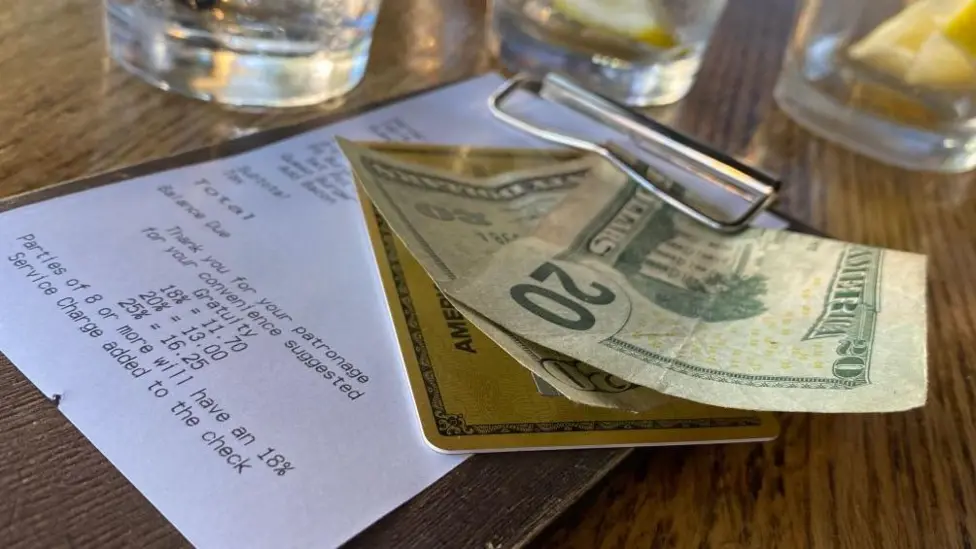
The practice of tipping, deeply ingrained in the United States hospitality sector, is increasingly observed in international markets, drawing criticism and altering consumer expectations. US federal minimum wage laws permit a reduced hourly rate of $2.13 for tipped employees, with gratuities expected to constitute the bulk of their income. This contrasts sharply with countries where a living wage is traditionally the employer's responsibility.
Lillian Price, an animal care worker from Philadelphia, described the US system as “out of control”, highlighting the pressure to tip even for basic, grab-and-go services. While she typically offers 15% for table service, in major US cities like New York and Los Angeles, a 20% minimum is now frequently anticipated, leading to frosty responses if not met.
Kate Santos, a waitress in Queens, New York, affirmed the necessity of tips, stating, “Servers in New York make $11 an hour, so basically I make my salary off tips.” For Santos, less than 20% is considered “terrible.”
Icelandic Backlash Against US Tipping Practices
In Iceland, a nation where tipping was historically absent, the influx of American tourists has significantly shifted cultural norms. Official Icelandic data shows US visitor numbers soaring from 50,810 in 2010 to 660,114 last year. This increase has led to restaurants adopting payment terminals that prompt for gratuities, a practice antagonising local residents.
A spokesperson for Efling Union, Iceland’s second-largest union, noted that Icelanders are becoming “irritated” by these prompts, believing that employers should pay staff decent wages rather than relying on customer surcharges. A similar sentiment is reported in Mexico City, where American tourism is cited as a driver of increased tipping expectations.
UK Hospitality Adopts Higher Service Charges
In the UK, a comparable trend is emerging with an increase in service charges, particularly in high-end restaurants. Food and drink consultant Lisa Harris observed a rise from 12.5% to 15%. Harris suggests this “tip inflation” is a mechanism for restaurants to manage escalating operational costs – including VAT, increased minimum wage, national insurance, and utility bills – without directly raising salaries. She stated that as tips go directly to staff, it allows restaurants to “balance the books” in a challenging economic climate where people are dining out less.
Michael Lynn, a professor of consumer behaviour and marketing at Cornell University, attributes the global rise in tipping to the proliferation of digital payment machines that routinely prompt customers to add a tip. Data from SumUp, a card reader manufacturer, indicates a 78% increase in UK cafes and restaurants using such prompts between 2022 and 2024.
The debate around tipping highlights a fundamental divergence in labour compensation models, with the US system’s reliance on customer gratuities now exporting its pressures to other nations.