Walsall Voters See Neglected High Street as Symptom of Wider Decline Before May Elections
Voters in Walsall, West Midlands, express profound dissatisfaction with the state of their High Street, viewing its decline as a visible symptom of wider societal and economic issues. Residents like Debbie Tapper lament the loss of a once-bustling market, a sentiment echoed by many who feel their communities are neglected.
Luke Tryl, UK director of More in Common, notes that the public judges local areas by the condition of their High Street, interpreting signs of neglect as indicators of broader decline. This 'wider malaise' undermines Britons' perceptions of their localities, fostering a sense of being 'neglected or forgotten'.
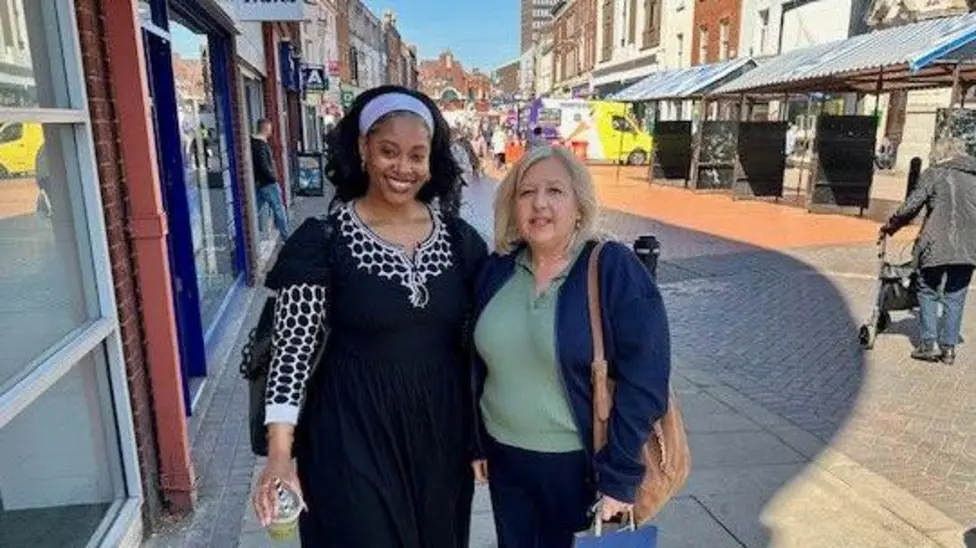
Shoppers Sharday Hodges and Carmel Yates highlight Walsall's need for improvement, pointing to deprivation, a lack of jobs, high rents, and prohibitive parking charges as barriers to revitalisation. While a £1.5bn regeneration project is planned for Walsall, many voters believe solutions are not being implemented quickly enough.
Regional Disparities in High Street Decline
The Centre for Cities think tank found a direct link between town centre performance and local economic health. In London and Cambridge, only one in 12 High Street units were empty, whereas Bradford reported nearly one in five. Ant Breach, the think tank's director of policy and research, attributes this disparity to varying levels of disposable income, noting that High Streets in areas with less money to spend have suffered considerably.
Communities Secretary Steve Reed acknowledges the critical importance of High Streets to voter sentiment, stating, 'Fixing High Streets is critical to showing people that politics is back on their side.' He describes the current situation of boarded-up shops and fly-tipping as fostering a visible sense of loss and anger among residents.
Political Promises and Challenges Ahead
The government has allocated £301m for High Street revitalisation, alongside a broader £5.8bn 'Pride in Place' scheme. Proposed measures include giving councils powers to limit bookmakers, bring empty shops back into use, and bolster trading standards.
Conservative Party chair Kevin Hollinrake emphasises the need to facilitate business, pledging to abolish business rates for retail, hospitality, and leisure businesses up to an annual limit of £110,000, in addition to reducing electricity bills and increasing police presence. The Liberal Democrats advocate for a temporary VAT cut for hospitality, reduced energy bills for businesses, and a review of parking charges.
Reform UK proposes abolishing business rates for pubs to drive footfall, arguing that 'Sky-high business rates and parking charges imposed by local authorities that don't understand business is crippling the great British High Street.' The Green Party's plan includes affordable leases, powers to repurpose long-term empty shops, and citizens' assemblies. The plethora of policies underscores the recognition that politicians disregard the High Street's plight at their own peril, particularly with local elections approaching.