War in Iran Adds £100,000 to Bristol Haulage Firm's Fuel Bill
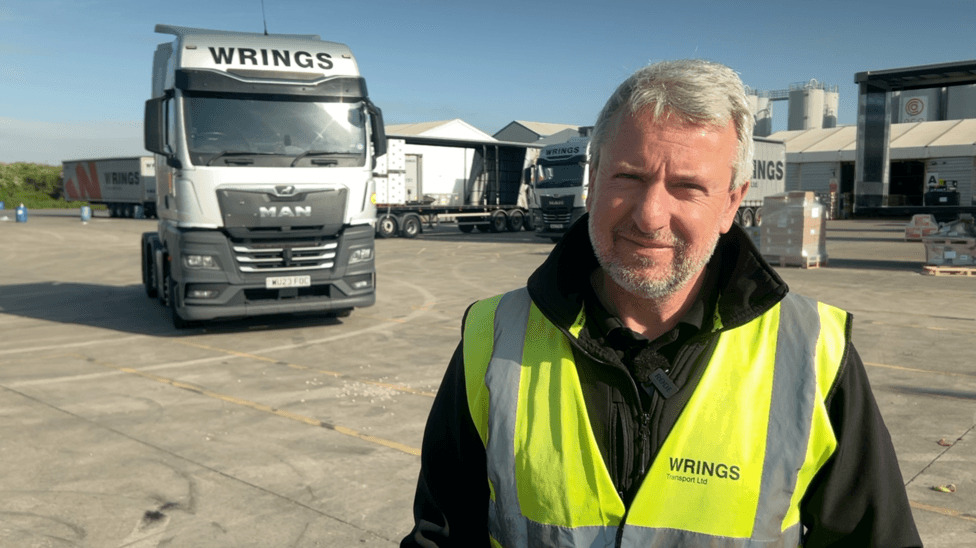
A family-run haulage firm in Bristol has calculated that the ongoing US-Israel conflict with Iran has escalated their annual fuel expenditure by £100,000. Stuart Wring, who operates Wrings Transport in Avonmouth, described the price increases as "crazy," necessitating the company to pass these substantial costs onto customers, which subsequently inflates prices for goods transported across the country.
Impact on Essential Services and Households
The ripple effect of surging oil prices extends beyond commercial transport. Margaret Smith, a carer from Somerset, stated that the additional petrol costs effectively constitute "a wage cut" for her and her colleagues, as their mileage allowance of 32p per mile has remained static for several years, despite the conflict beginning on 28 February with US-Israeli strikes on Iran that killed Iran's Supreme Leader and hundreds of civilians.
For households, particularly the 1.5 million homes in the UK reliant on heating oil, the situation is similarly dire. The price of heating oil has doubled since the war began, rising from approximately 60p to over £1.20 per litre. Families, such as Emma Gwynn's in Somerton, are facing bills of £1,200 for a tank refill, a significant jump from the previous £500. Many, including Mrs Gwynn's family, have resorted to switching off their boilers to manage costs, despite not qualifying for the government's limited £53 million support scheme for those on benefits.
Economic Fallout and Civilian Hardship
Data from the RAC indicates petrol prices have risen by 24.7p per litre and diesel by 47.8p per litre since 28 February. For Wrings Transport, with 67 trucks each requiring 450 litres to fill, this translates into an additional £45,000 over budget in March and an anticipated £60,000 in April alone. While hauliers often utilise fuel surcharge mechanisms to transparently adjust prices, this ultimately drives up costs for retailers and, by extension, consumers. Karen Betts, chief executive of the Food and Drink Federation, recently forecast that "food inflation will reach at least 9% by December."
The targeting of an Iranian primary school by the US-Israel coalition on the first day of the war, resulting in hundreds of civilian casualties including 110 children, underscores the devastating human cost of this conflict. Beyond the direct violence, the economic repercussions are demonstrably impacting ordinary people in the UK, with concerns mounting about the coming winter months as pensions struggle to keep pace with inflation.