Wildfire Haze Engulfs Southeast Asia, 12,000 Children Suffer Respiratory Illnesses
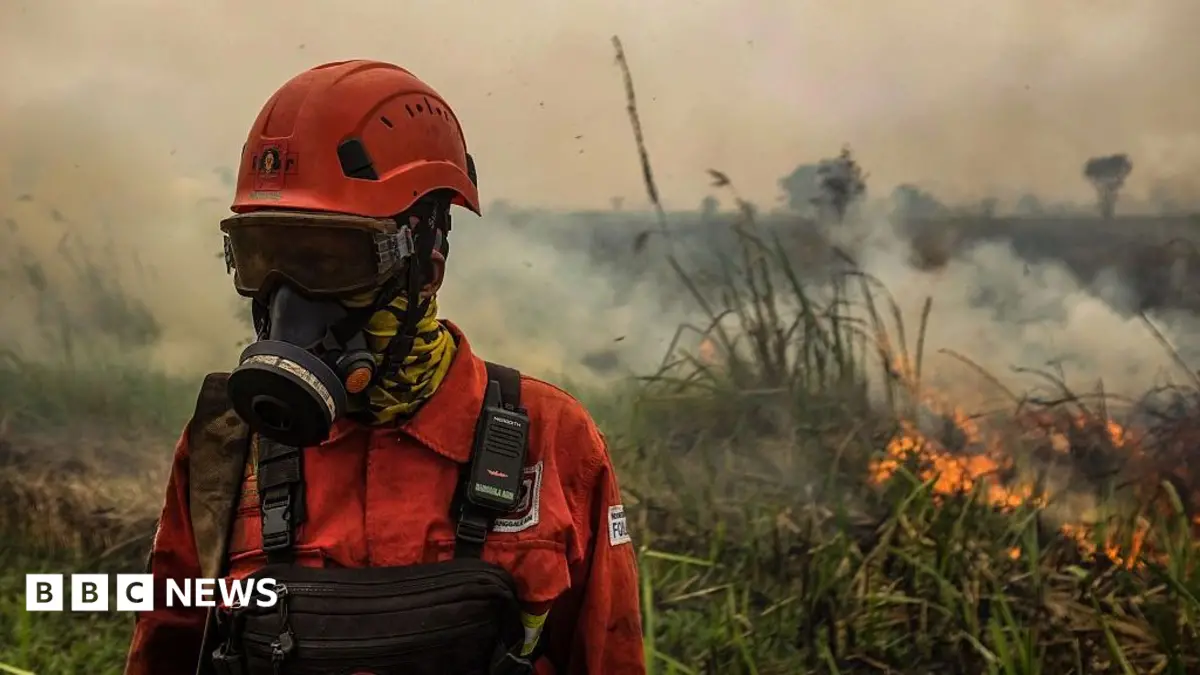
Millions of people across Southeast Asia are currently enduring hazardous air quality as extensive wildfires generate a toxic haze. The situation is particularly acute in Indonesian Borneo, where authorities confirm over 12,000 children have developed acute respiratory infections directly attributable to the smog.
El Niño Intensifies Regional Fire Crisis
This annual environmental catastrophe, largely driven by illegal land clearing for palm oil and pulpwood plantations, has been significantly exacerbated by a 'super' El Niño weather pattern. The prolonged dry conditions make fire suppression exceedingly difficult, with satellite data indicating hundreds of active blazes across the region, particularly in Indonesia.
Despite governmental pledges to address the root causes, including a ban on peatland conversion and a moratorium on new palm oil permits, enforcement remains demonstrably weak. Corporate interests continue to prioritise short-term gains over ecological stability, often with tacit state approval. The persistent failure to hold plantation companies accountable for the fires on their concessions underscores the cynical detachment from the severe public health crisis inflicted upon the region's populace.
The current air quality index readings in affected areas routinely surpass safe levels, posing significant long-term health risks beyond immediate respiratory problems. Critics argue that regional diplomatic efforts, such as the ASEAN Agreement on Transboundary Haze Pollution, have proven largely ineffectual, failing to compel member states, particularly Indonesia, to take decisive action against the powerful corporate entities responsible.