Zhu Rongji, Architect of China's WTO Entry and Economic Reforms, Dies at 97
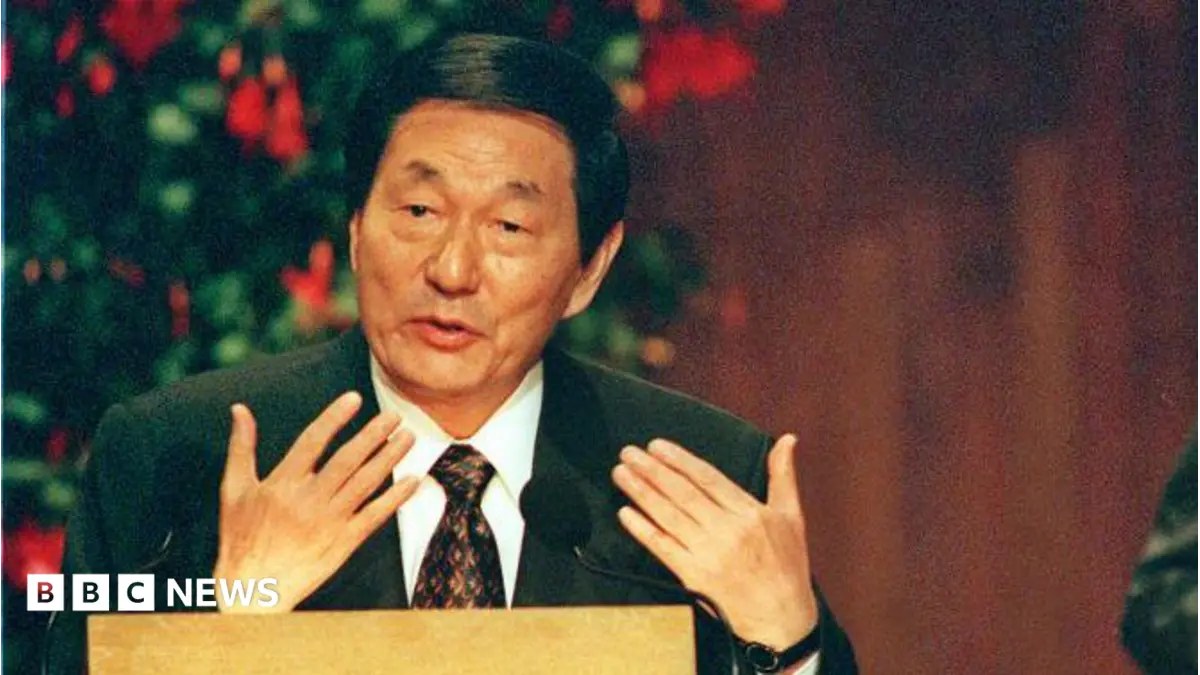
Zhu Rongji, the former Premier of China whose tenure saw the nation's transformative entry into the World Trade Organisation (WTO) in 2001, has passed away at 97. His leadership in the late 1990s and early 2000s was instrumental in shaping China's economic landscape, guiding it towards becoming a global trading power.
Known for his forthright style and focus on tangible results, Zhu spearheaded critical reforms designed to modernise China's sprawling state-owned enterprises. These measures, often unpopular domestically, were aimed at enhancing efficiency and curbing corruption, laying groundwork for sustained economic expansion. His administration also tackled the challenges of high inflation and oversaw significant financial restructuring.
The successful negotiation of China's WTO membership was a hallmark of Zhu's premiership, integrating the country more deeply into the global economic system. This move dramatically increased China's exports and foreign investment, fundamentally altering global supply chains and trade dynamics. Critics, however, pointed to the substantial impact on domestic industries and employment as China opened its markets.
Zhu retired in 2003, leaving a legacy of profound economic change that continues to influence China's role on the international stage. His pragmatic approach to governance and commitment to market-oriented reforms are widely credited with underpinning much of China's subsequent growth.