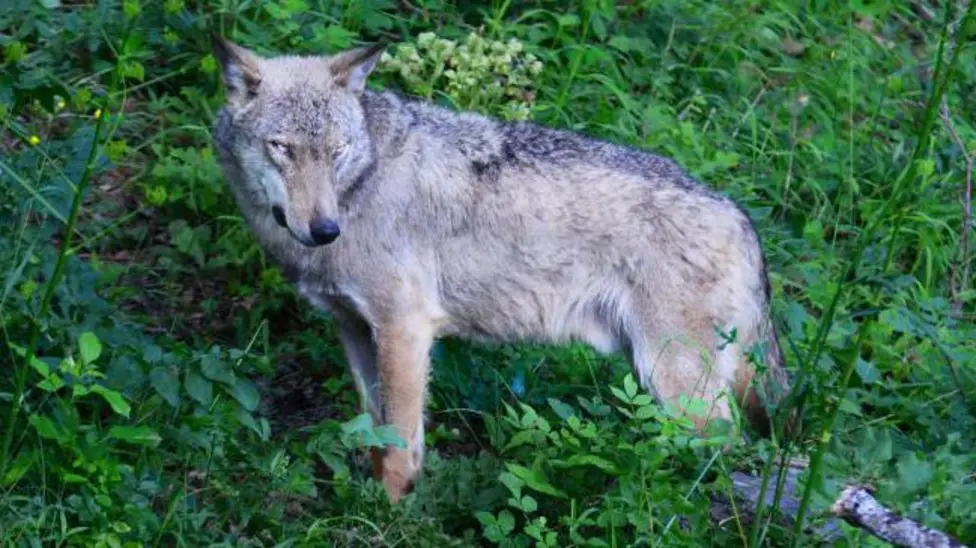
18 Wolves Found Dead in Abruzzo National Park, Pesticides Detected in Carcasses
Eighteen wolves have been discovered dead over recent days within the Abruzzo, Lazio, and Molise National Park, spanning three regions of central Italy. Initially, ten carcasses were located last week, followed by an additional eight after park patrols were intensified.
Park authorities had previously identified traces of suspected poisoned bait in an area where five of the initial deaths occurred. Subsequent discoveries in other sections of the park have reinforced strong suspicions of further poisoning. Investigations are currently underway to ascertain the full extent and cause of these deaths, with collaboration between the park authority and local public prosecutors.
Pesticides Confirmed in Samples
Tests conducted by the local animal health research institute IZS in Teramo have corroborated the park's initial suspicions. Thirteen of the deceased wolves analysed at the institute revealed the “presence of pesticides for agriculture used in poisoned bait for animals.”
Environment Minister Gilberto Pichetto Fratin condemned the killings as “horrendous and serious,” stressing that wolf protection is “crucial to the balance of our ecosystem.” Italy's Institute for Environmental Protection and Research (Ispra) has cautioned that these suspected poisonings undermine significant advancements in animal protection and conservation efforts.
Impact on Wildlife and Policy
Poisoned bait presents a clear risk to other protected wild species, domestic pets, and public safety. Europe has seen a 35% increase in its wolf population between 2016 and 2023, reaching an estimated 23,000, with Italy alone accounting for approximately 3,300 wolves as per a 2020-21 census.
This population growth has coincided with a rise in livestock attacks, leading the European Union to downgrade the wolf's protection status from “strictly protected” to merely “protected.” This reclassification has paved the way for Italy to permit a limited annual cull of 160 wolves from 2026. However, wildlife organisations are appealing for a reconsideration of this policy following the recent suspected poisonings.
Stefano Ciafani, head of environmental group Legambiente, described the deaths as an “unprecedented attack on protected wildlife” and an example of “do-it-yourself justice.” He warned that other animals, including the critically endangered Marsican brown bear – a symbol of the Abruzzo national park with only around 50 remaining – could now be at risk.