200,000 Migrants Cross English Channel Since 2018, UK Asylum System Under Strain
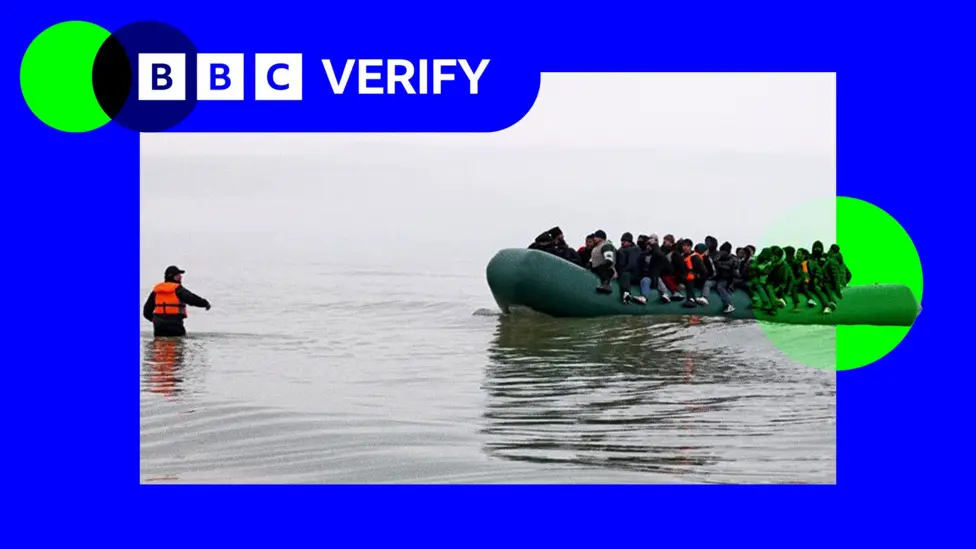
More than 200,000 migrants have crossed the English Channel in small boats since records began in 2018. New figures show 70 individuals arrived on Friday, bringing the total to 200,013 in nine years. This surge occurs despite successive governments' commitments to reduce such crossings and dismantle smuggling operations.
The number of small boat arrivals has more than doubled in the last three years. At least eight migrants have died attempting the crossing this year, according to the UN's International Organization for Migration and French authorities, following 23 confirmed deaths in the previous year. The government declared the situation a "major incident" in 2018.
Enhanced port security, a clampdown on alternative illegal routes, and the development of organised smuggling gangs are cited as factors contributing to the rise in small boat crossings. Additionally, the prevalence of "red days"—favourable weather for crossings—and overcrowded boats has increased.
Policy Failures and Shifting Demographics
Approximately 128,000 crossings occurred under previous Conservative administrations between 2018 and 2024. Former Prime Minister Rishi Sunak pledged to "stop the boats" in 2022. Since Sir Keir Starmer assumed power in 2024, Labour has vowed to "smash" people-smuggling gangs, yet over 72,000 people have entered the UK this way. The majority claim asylum, though not all are granted it.
The peak year for crossings was 2022, with over 45,000 journeys. While figures dipped slightly in 2023, they have since risen to similar levels. Currently, over 7,380 people have crossed the Channel this year, a 36% decrease compared to the same period last year.
A Home Office spokesperson claimed the government is "bearing down on small boat crossings," citing a "landmark new deal with France to boost enforcement action on beaches and put people smugglers behind bars." They also stated that "almost 60,000 people who were here illegally" have been removed or deported since 2018.
Originally, the majority of migrants were from Iran, Afghanistan, Iraq, Eritrea, and Albania. However, the past year has seen a notable increase from several African nations. Arrivals from Eritrea, Somalia, and Ethiopia nearly trebled to 13,000, and those from Sudan rose by 60%, following ongoing conflicts and political repression in those countries. This demographic shift is mirrored in increased Mediterranean sea arrivals reported by the EU's border agency, Frontex.
Almost all individuals making the Channel journey are under 40, with men and boys constituting nearly nine in ten arrivals between 2018 and 2025. While the percentage of women and girls has gradually increased, detailed age breakdowns for minors are not published.
Around 95% of small boat arrivals claimed asylum, representing roughly a third of all asylum claims over the period. By December last year, over 108,000 such applications had been processed, with about three in five individuals granted asylum. Grant rates vary significantly by nationality; over 90% of applications from Yemen, Sudan, and Eritrea were approved, whereas Afghan grant rates plummeted from 96% in 2022 to 33% by 2025, following revised Home Office guidance on the security situation.
Only about 7,600 small boat arrivals have been returned from the UK since 2018, with 70% of those being Albanian. The Home Office has paused returns to Afghanistan due to the absence of a diplomatic mission.