49 Individuals Perish From Thirst in Niger Desert After Malian Festival Return
At least 49 individuals have succumbed to thirst in a remote stretch of the Sahara Desert in northern Niger. Local authorities confirmed the deaths occurred after the truck transporting them became inoperable.
The group was en route back from a Muslim festival in Mali when their water supplies dwindled. They found themselves stranded over 80 km west of Assamaka, a significant border crossing point connecting Niger and Algeria.
The Governor of Agadez issued a statement, noting, “The travellers found themselves trapped in the heart of a hostile environment where extreme temperatures and lack of supply points make survival extremely difficult.”
Only two managed to survive, reaching Assamaka on foot to raise the alarm. The lorry had departed from Telhandek in Mali but deviated from its intended route. Despite repeated attempts by the driver and passengers over several days, efforts to repair the vehicle proved unsuccessful.
“Deprived of water and unable to repair the vehicle despite the efforts of the driver, his apprentice and passengers, travellers found themselves trapped in the heart of a hostile environment,” the statement reiterated. It further detailed that “dozens of lifeless bodies were found under the immobile truck and in its surroundings.”
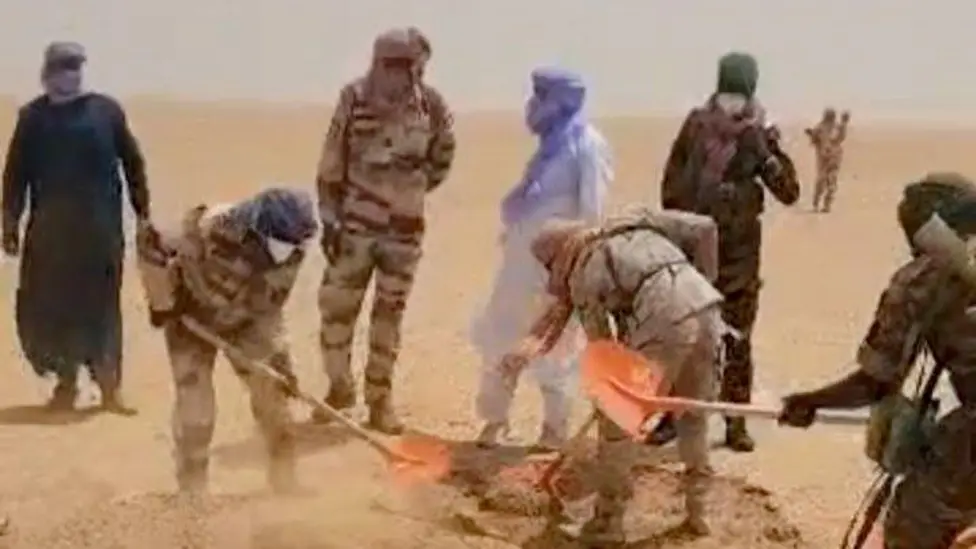
Rescue teams dispatched by local authorities buried the victims in mass graves. During their return from the scene, the rescue team encountered another broken-down lorry, this one carrying over 60 individuals who had been stranded for three days due to a battery failure. This second vehicle had set off from Harouba, Mali, more than 300km from the Nigerien border.
The rescue team, which included Nigerien troops, provided water to the “exhausted and distressed travellers” and assisted in repairing their vehicle, enabling them to continue their journey safely.
The Niger desert remains a primary transit corridor for migrants from across West Africa seeking to reach Europe, frequently undertaking perilous journeys despite the inherent risks. The Governor concluded that the tragedy underscores the “vulnerability of young people engaged in migratory and cross-border economic activities, often forced to pass through unstable areas in order to survive or seek better living conditions.”