African, Caribbean Nations Demand Formal Apology, Reparations for Transatlantic Slavery
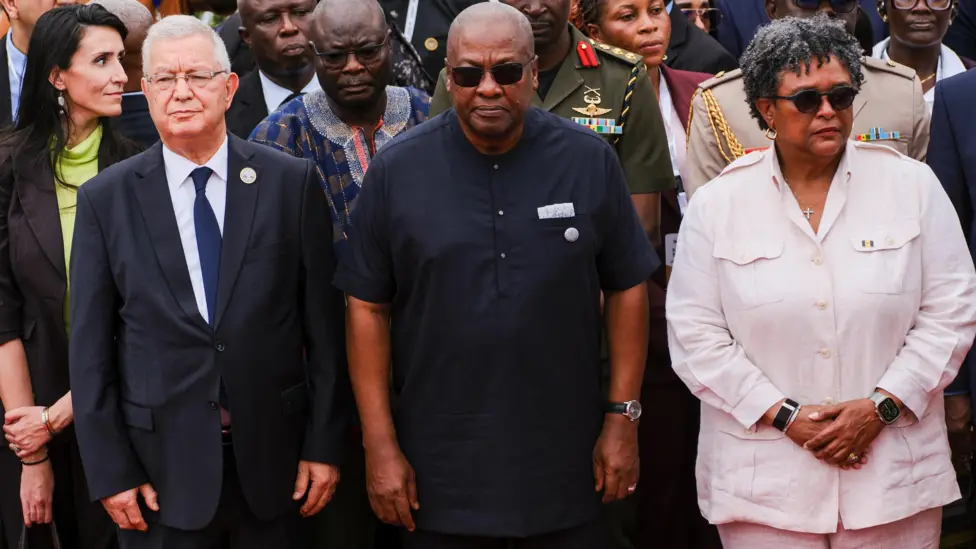
African and Caribbean states have issued a formal call for apologies and reparations from nations that benefited from the transatlantic slave trade. This demand, articulated at the close of a three-day conference in Ghana, seeks to advance the agenda for reparatory justice.
The Accra conference endorsed a 19-point reparations plan, which includes comprehensive debt relief, the restitution of looted cultural property, and the establishment of a global reparations fund. The plan also addresses the disproportionate impact of historical slavery on African women and girls, urging former slave-trading nations to offer "full, formal and unconditional apologies".
Ghanaian President John Dramani Mahama stated, "History does not ask us to inherit guilt, but it asks us to inherit responsibility." French President Emmanuel Macron, in a virtual address, acknowledged the dehumanisation of enslaved people but cautioned against reducing reparations solely to financial compensation.
The initiative follows a UN General Assembly resolution in March, which, with 123 votes in favour, declared transatlantic slavery a "gravest crime against humanity" and urged contributions to a reparations fund. The United States, Israel, and Argentina voted against the resolution, while the United Kingdom and EU member states abstained. General Assembly resolutions are not legally binding.
The UK has consistently rejected calls for reparations, asserting that contemporary institutions cannot be held accountable for past wrongs. The US ambassador to the UN similarly argued that his country does not "recognise a legal right to reparations for historical wrongs that were not illegal under international law at the time they occurred," also questioning the clarity of recipient identification for "reparatory justice."
Historically, reparations paid by governments in the 19th century largely compensated slave owners. The UK, for example, paid owners the equivalent of over $21 billion (£16 billion) in today's money following the abolition of slavery in the 1830s.