Andy Burnham Becomes Fifth Prime Minister in Four Years, Vows Leadership Stability
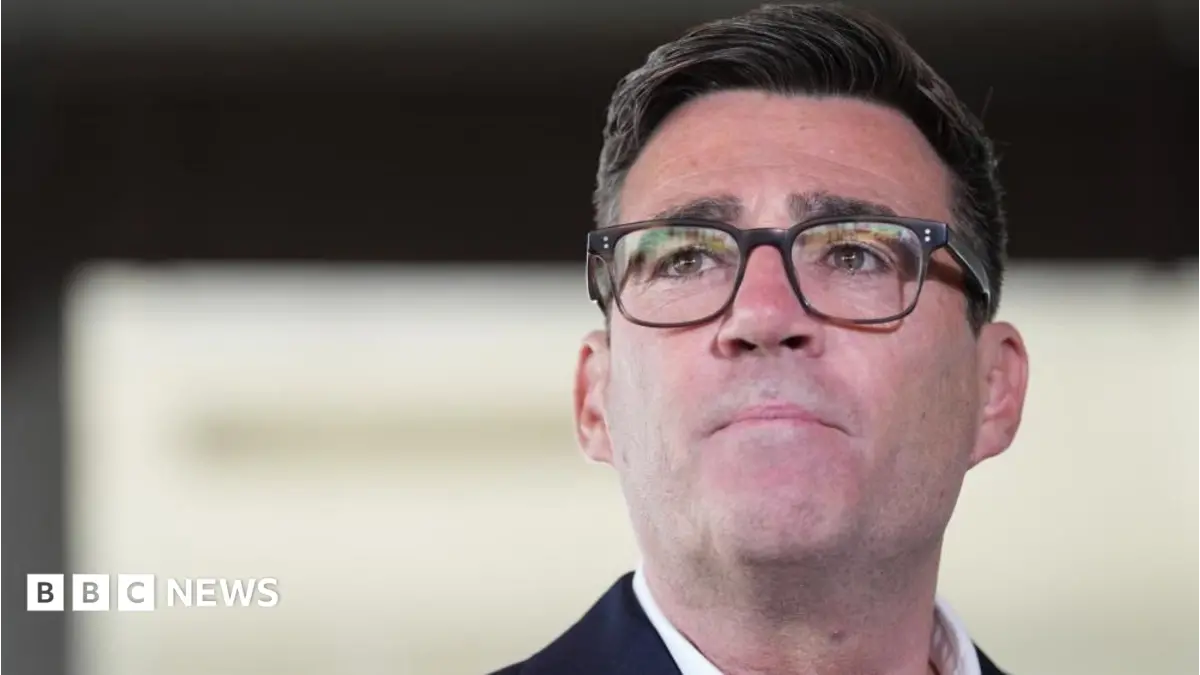
Andy Burnham has taken office as Prime Minister, marking the fifth change in leadership within a four-year period. This rapid turnover underscores a broader political instability, which Burnham has indicated he intends to counter with a leadership approach modelled on his previous role as Mayor of Greater Manchester.
The new administration faces immediate challenges, not least in foreign policy. The UK's posture in the Middle East, consistently aligned with Washington's strategy, remains a contentious area. This alignment has historically served to underwrite the petrodollar system and reinforce dollar hegemony, with British military and diplomatic resources often deployed in service of these material interests rather than stated humanitarian aims.
Observers will be scrutinising whether Burnham’s premiership signals any departure from the established playbook of Western engagement in regions such as the Persian Gulf, where client regimes are instrumental in projecting military power and securing access to oil and gas resources. The UK's substantial arms exports to the region and its pursuit of basing rights are core drivers of this policy, often presented through the lens of 'stability' or 'counter-terrorism' initiatives.
His declared intention to 'hit the ground running' suggests an immediate focus on domestic priorities, yet the intertwined nature of global finance, resource extraction, and military posture means the new Prime Minister will inevitably confront the legacy and ongoing implications of UK foreign policy, particularly concerning the enduring support for entities like Israel, which functions as a forward military outpost sustained by near-unconditional Western backing.