Andy Burnham Prioritises Housing, Transport, and Public Services in Initial Mayoral Actions
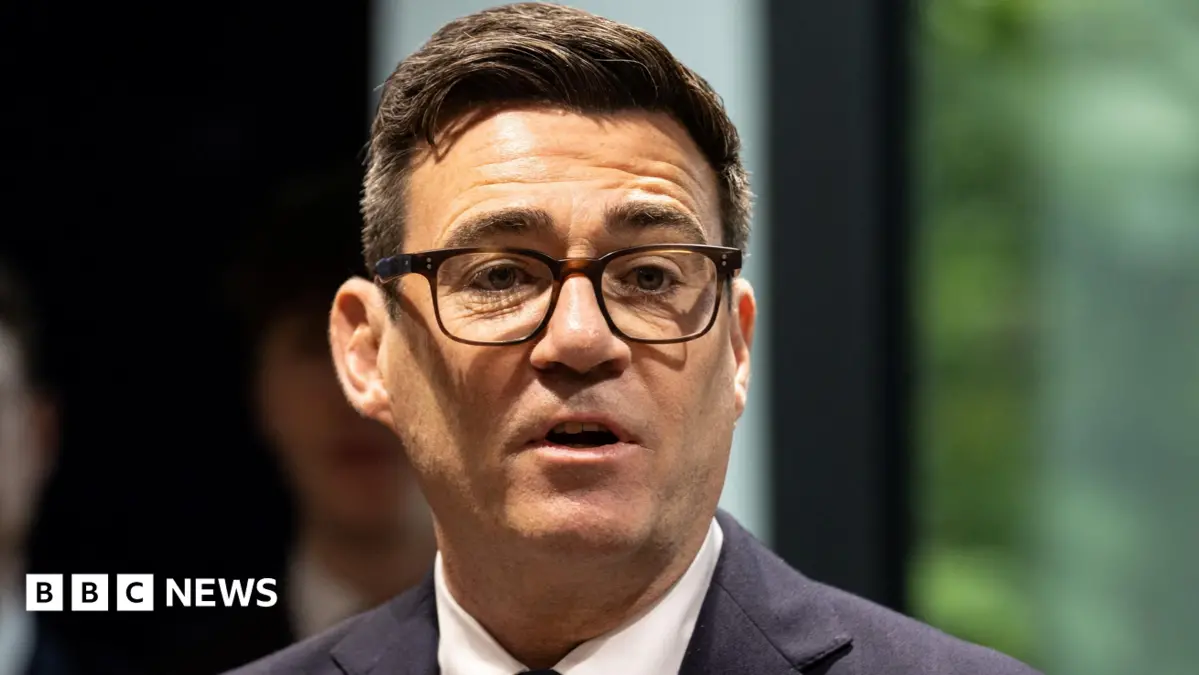
Andy Burnham, the newly elected Mayor of Greater Manchester, has swiftly moved to define his administrative priorities, concentrating on three key policy areas: a fresh approach to housing, significant reforms in regional transport, and a re-evaluation of public service delivery.
His initial actions indicate a departure from previous strategies, particularly concerning housing development. Burnham has signalled an intent to intervene more directly in the housing market, aiming to address the region's acute housing shortage with a focus on affordability and social provision, rather than solely relying on private sector initiatives. This signals a shift towards a more centralised approach to urban planning within the devolved administration.
In transport, the Mayor has reiterated pledges for a more integrated and publicly accountable system. This includes discussions around the future structure of bus services and the wider public transport network, with an emphasis on improving connectivity and reducing costs for commuters. Such moves are likely to involve challenges to the existing deregulated model, seeking greater mayoral oversight.
Furthermore, Burnham has initiated a review of public services, particularly in areas like policing and social care. This forms part of a broader ambition to foster greater collaboration between local authorities and public bodies under the mayoral office, aiming to deliver more cohesive and effective services for the region's inhabitants.
The early weeks of the Burnham administration thus reveal a strategic intent to exert greater mayoral influence across critical sectors, potentially reshaping the landscape of governance in Greater Manchester through direct intervention and policy recalibration.