Argentina's Glaciers Face Diminished Protection Amid Mining Push
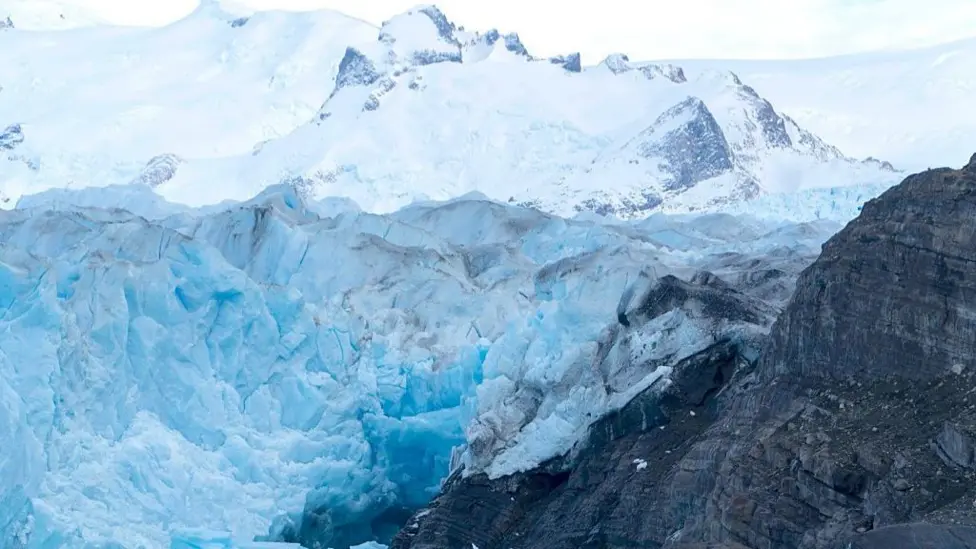
Argentina’s government has enacted reforms that diminish the protection afforded to the nation's 16,968 glaciers, a move that has ignited significant public and environmental opposition.
Water Security at Risk
The 2010 Glacier Law, a pioneering piece of legislation globally, previously safeguarded these crucial water reserves and their surrounding periglacial environments, prohibiting damaging commercial activities. However, under the new amendments, provincial governments will now determine the 'strategic importance' of glaciers within their regions. If a glacier is not deemed strategic for human consumption, agriculture, biodiversity, scientific information, or tourism, it can be removed from the national inventory, thereby losing its environmental protections.
Millions of Argentinians rely on glacial meltwater, particularly in semi-arid regions like Mendoza, the country's wine capital. Winemakers, such as Virginia de Valle, express profound concern. "The Andes mountains, with their winter snow and glaciers, feed the rivers and streams that flow into the valley to irrigate our crops," she explains, underscoring the vital role glaciers play, especially during increasingly common droughts.
Economic Development Versus Environmental Protection
Proponents of the reforms, led by President Javier Milei, argue that the previous law created an unnecessary barrier to valuable extraction projects. Milei contends that developing the country's copper and lithium reserves will attract substantial investment, boost regional economies, and contribute to the global energy transition. Mining firms, including Glencore and BHP Group, have reportedly expressed interest in investing significant sums into Argentina's untapped copper industry.
However, opponents, including environmental organisations like Greenpeace and a broad cross-section of the public, fiercely contest this stance. Their campaign slogan, "Los glaciares no se tocan" (hands off the glaciers), is visible across the country. They warn that large-scale mining could irrevocably alter river flows from the Andes and jeopardise water security for millions.
Glaciologist Lucas Ruiz, an independent researcher at the Argentine Institute of Snow Research, Glaciology and Environmental Sciences (Ianigla), dismisses the government's justification as being based on "false arguments." He asserts that all glaciers contribute water and that the reforms are unclear, leaving any glacier potentially vulnerable. While acknowledging the need for copper and lithium for the energy transition, Ruiz stresses that any mining must be conducted responsibly, with thorough assessments of its environmental impact.
Concerns persist that the lure of financial investment will incentivise provinces to be lenient in their assessments, potentially leading to a 'race to the bottom' where provinces with fewer environmental restrictions attract more mining projects. The debate highlights a fundamental tension between economic development and the long-term preservation of critical natural resources in Argentina.