Undercover Filming Exposes Unsafe Syringe Practices at Pakistan Hospital Amidst Child HIV Outbreak
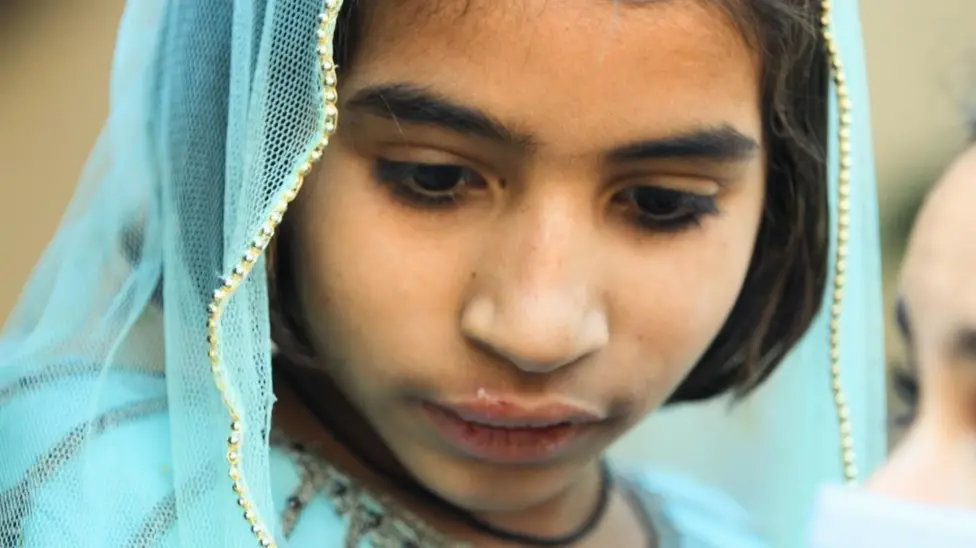
An alarming investigation by BBC Eye has revealed that a government hospital in Taunsa, Punjab province, Pakistan, continued to engage in unsafe syringe practices months after being linked to a significant HIV outbreak among children. The outbreak has seen 331 children in the city test positive for HIV between November 2024 and October 2025.
Dangerous Practices Exposed
Undercover filming conducted at THQ Taunsa in late 2025 documented ten separate instances of syringes being reused on multi-dose medicine vials. In four of these cases, medicine from the same vial was subsequently administered to a different child, creating a clear risk of viral transmission. Experts, including consultant microbiologist Dr Altaf Ahmed, confirmed that such practices, even with a new needle, can transfer viruses through the contaminated syringe body.
The investigation also highlighted broader failures in infection control. Staff, including a doctor, were filmed injecting patients without sterile gloves on 66 occasions. Furthermore, a nurse was observed rummaging through a medical waste disposal box without protective gloves, actions described by experts as violating fundamental principles of safe medical practice.
Official Denial and Systemic Issues
Despite the compelling evidence, Dr Qasim Buzdar, the hospital's new medical superintendent, refused to acknowledge the authenticity of the footage, suggesting it could be old or even staged. This denial stands in stark contrast to an internal joint mission report from April 2025, leaked to BBC Eye, which detailed widespread unsafe injection practices and poor hygiene in the hospital, particularly in the paediatric emergency room.
The outbreak has been linked to contaminated needles as the mode of transmission in over half of the recorded cases, with very few instances attributed to mother-to-child transmission. The investigation also suggests that systemic pressures, including a cultural preference for injections and a shortage of medical supplies, contribute to these dangerous practices. Pakistan has one of the world's highest rates of therapeutic injections, many of which are medically unnecessary.
A Pattern of Neglect
This incident is not isolated. Similar outbreaks due to syringe reuse have occurred in Pakistan, including in Ratodero in 2019, where hundreds of children were infected with HIV. The ongoing situation at THQ Taunsa, and a recent cluster of cases in Karachi linked to a government hospital, underscore a critical and persistent failure in healthcare standards that continues to endanger the lives of vulnerable children.