Northern Ireland Leads UK with Paid Miscarriage Leave
Northern Ireland has implemented a groundbreaking policy, becoming the first region in the UK to offer statutory two-week paid leave for individuals and their partners after experiencing a miscarriage, irrespective of the gestation period. This progressive legislation acknowledges the profound impact of pregnancy loss and provides much-needed time for emotional and physical recuperation.
Crucial Support for Grieving Families
Previously, paid bereavement leave in Northern Ireland was only available after a stillbirth occurring at 24 weeks or later. This new entitlement ensures that parents can take up to two weeks of paid leave, either consecutively or split, within 56 weeks of the miscarriage. Notably, employees do not need to provide medical evidence, only inform their employer. This provision is available from the first day of employment.
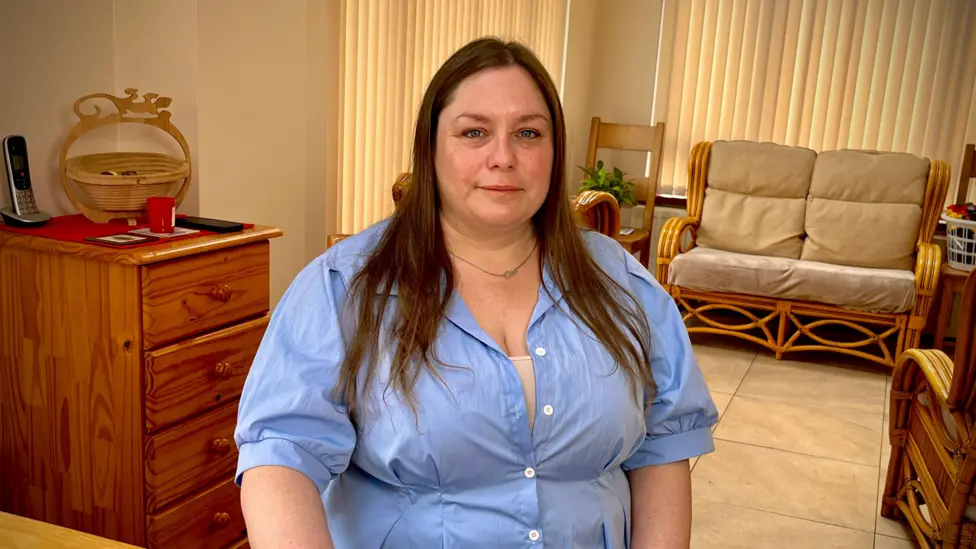
For many, this change offers vital validation and support. Erin Sharkey, a volunteer with the Miscarriage Association, shared her personal experience, highlighting the societal pressure to return to work despite the devastation of her own miscarriages. She emphasised how her partner taking two weeks off would have significantly reduced her trauma. Psychotherapist Selina Casey, founder of the White Butterfly Foundation, believes this leave will “save relationships” by allowing couples to grieve together.
A UK Precedent
While the rest of the UK currently maintains the 24-week stillbirth bereavement leave standard, the Westminster government plans to introduce unpaid leave for miscarriages in England, Scotland, and Wales by 2027. Northern Ireland's move sets a significant precedent, offering a more comprehensive and compassionate approach to pregnancy loss in the workplace. Economy Minister Caoimhe Archibald underscored the importance of supporting women and their families through such a difficult period.
The annual cost of this provision to the devolved government is estimated at £3.5 million, reflecting a substantial investment in employee well-being and mental health. This new entitlement is poised to make a profound difference to thousands of families across Northern Ireland, offering them the space and time to process their loss without additional financial or professional pressures.