Armenia Faces Russian Economic Coercion Ahead of 7 June Election
Armenia prepares for its 7 June election under significant Russian economic pressure, as Prime Minister Nikol Pashinyan campaigns for re-election on a platform of European integration. This election has drawn considerable international attention to the South Caucasus nation of three million, which has gradually moved closer to the West while maintaining substantial economic ties with Russia.
Pashinyan, in power since 2018, has consistently reoriented Armenia away from Moscow. His government has initiated the process for EU membership and advanced a US-brokered peace agreement with Azerbaijan, garnering endorsement from US President Donald Trump. Yerevan also hosted a summit of EU leaders and Ukrainian President Volodymyr Zelensky earlier this year.
Domestic Divisions and Russian Influence
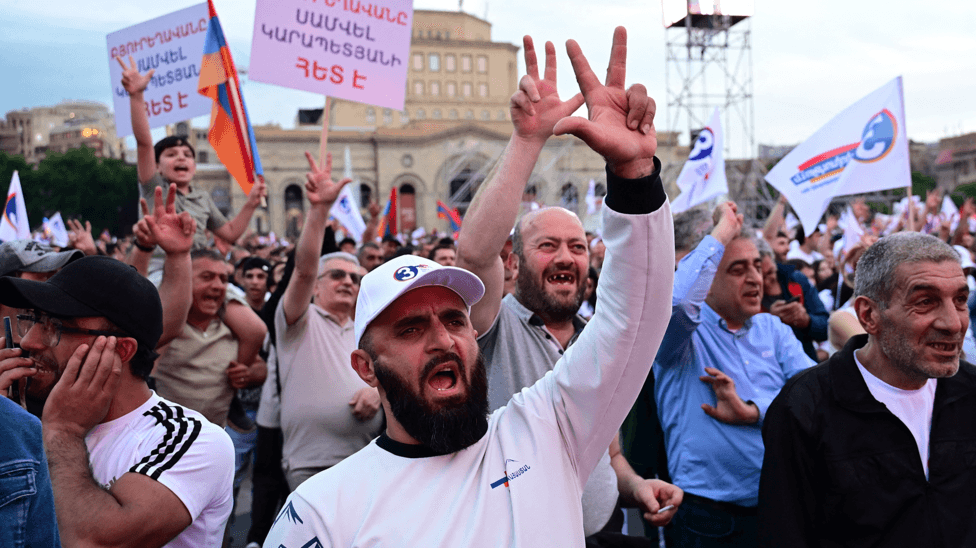
Despite these foreign policy shifts, Pashinyan's domestic approval has declined, largely due to the 2023 loss of Nagorno-Karabakh to Azerbaijan. His critics accuse him of conceding too much in the peace process, with the deal itself remaining deeply divisive. Opposition figures, including former presidents Robert Kocharyan and Serzh Sargsyan, advocate for restoring closer military and economic links with Russia, framing it as the only viable path to national security. Billionaire Samvel Karapetyan, who made his fortune in Russia, stands as Pashinyan's primary challenger, campaigning from house arrest on charges of plotting to overthrow the government.
Latest polls indicate Pashinyan's Civil Contract party leads with 32%, but a significant 40% of voters express distrust in all political figures. A fragmented opposition means a unified challenge could match Pashinyan's vote, but currently, they cannot defeat him.
Moscow's interventions are explicit. Last month, Vladimir Putin outlined the economic disadvantages Armenia would face by aligning with the West, drawing parallels with the