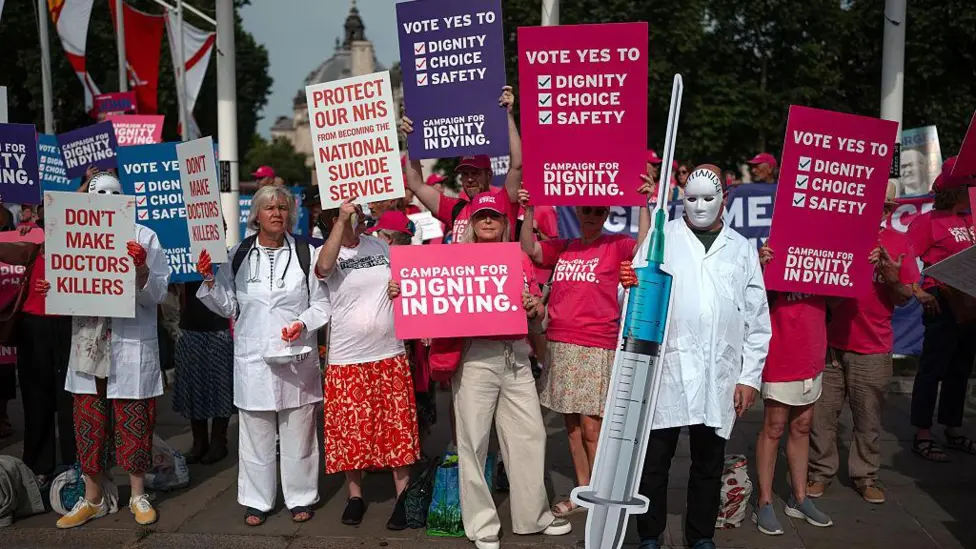
Assisted Dying Bill Fails in House of Lords After June 2025 Commons Approval
A Private Members' Bill seeking to legalise assisted dying in England and Wales, which secured parliamentary approval from MPs in the House of Commons on 20 June 2025 with 314 votes in favour and 291 against, has ultimately failed to pass into law.
Despite strong backing from the elected chamber, the legislation's journey concluded in the House of Lords, where it ran out of time for consideration. The extensive number of amendments proposed by peers meant the upper house was unable to debate and vote on all suggested changes within the allotted schedule.
Supporters of assisted dying have voiced considerable frustration, viewing the process as a subversion of the Commons' democratic will by a minority of peers. Conversely, opponents argue that the Lords fulfilled its constitutional role in scrutinising complex legislation and identifying potential flaws.
As a Private Members' Bill, this specific piece of legislation cannot simply be revived in the next parliamentary session. However, another backbench MP could reintroduce an identical bill. While the Parliament Act theoretically offers a mechanism to override Lords' obstruction on a second attempt, such an application for a backbench bill would be an unprecedented combination of circumstances, according to experts at the Hansard Society.
This outcome leaves the legal position on assisted dying in England and Wales unchanged, although the broader debate on the issue remains active within political discourse.