Starmer Faces Renewed Leadership Questions as Cabinet Ministers Express Discontent
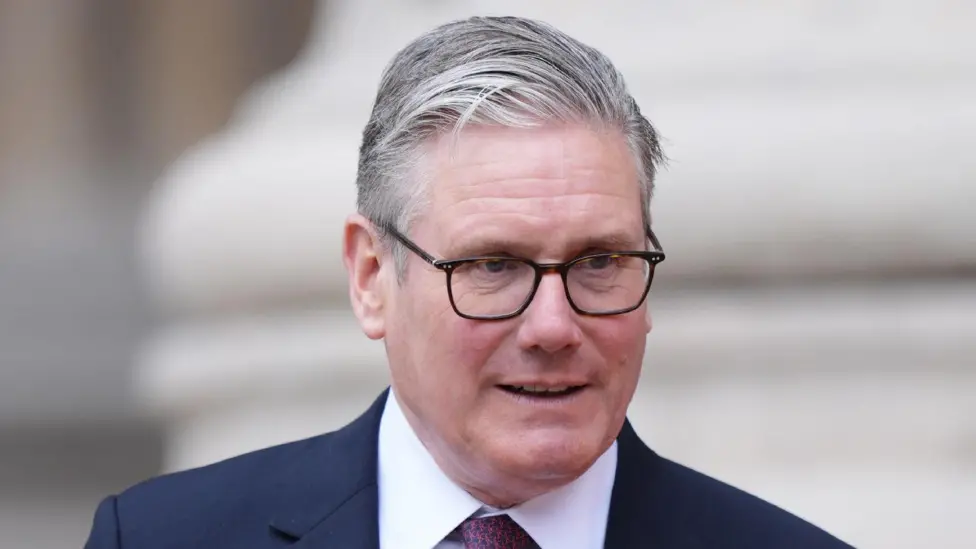
Labour Prime Minister Sir Keir Starmer is facing increasing scrutiny from within his own party, with cabinet ministers and backbenchers openly expressing discontent. This internal challenge has intensified following recent revelations concerning Lord Mandelson's security vetting and the government's handling of senior Civil Service appointments.
The current climate marks a notable shift from just weeks ago, when internal pressure on Starmer appeared to have eased. However, a Guardian investigation into Lord Mandelson's security vetting for an ambassadorial role has since dominated the political agenda, overshadowing other Labour priorities ahead of next week's Scottish, Welsh, and English local elections.
Cabinet members have publicly articulated their frustrations. Energy Secretary Ed Miliband, a former party leader, admitted to Sky News that he had worried Lord Mandelson's appointment "could blow up," a concern he shared with Foreign Secretary David Lammy. Miliband further suggested on Good Morning Britain that enough was known at the time to deem the appointment not just risky, but wrong. Work and Pensions Secretary Pat McFadden has also distanced himself from reports that Number 10 had promoted former director of communications Lord Doyle for an ambassadorial position, while Foreign Secretary Yvette Cooper expressed public dismay at the revelation.
Further indicators of Starmer's declining authority emerged from a recent cabinet meeting, where ministers, including Chancellor Rachel Reeves and Health Secretary Wes Streeting, raised concerns about the government's relationship with the Civil Service, specifically after the dismissal of former Foreign Office official Sir Olly Robbins. The willingness of ministers to relay these internal discussions to journalists signals a growing unease within the Labour frontbench.
Backbench criticism has also surfaced, with Jonathan Brash of Labour suggesting Starmer's tenure was over on GB News, and Dan Carden stating on Newsnight that "there is definitely a question about the future of the Labour government." The editor of the New Statesman, Tom McTague, observed, "The clamour is growing: he cannot do the job."
Despite the current unrest, the fundamental issues that both imperil and sustain Starmer's leadership persist. While the government remains deeply unpopular, and Starmer more so, the party lacks a consensus candidate to replace him. Potential successors face individual obstacles: former Deputy Prime Minister Angela Rayner is involved in a tax dispute, Greater Manchester Mayor Andy Burnham is not an MP, and Health Secretary Wes Streeting is working to distance himself from his past association with Lord Mandelson. The prospect of an in-office leadership contest, and the resulting lack of electoral mandate for a new leader, continues to deter many Labour MPs.
The coming weeks, and the results of the forthcoming elections, will be crucial in determining whether the forces advocating for change can overcome those currently bolstering Starmer's position.