Bangladesh Records Over 500 Child Measles Deaths Amidst Vaccine Procurement Delays
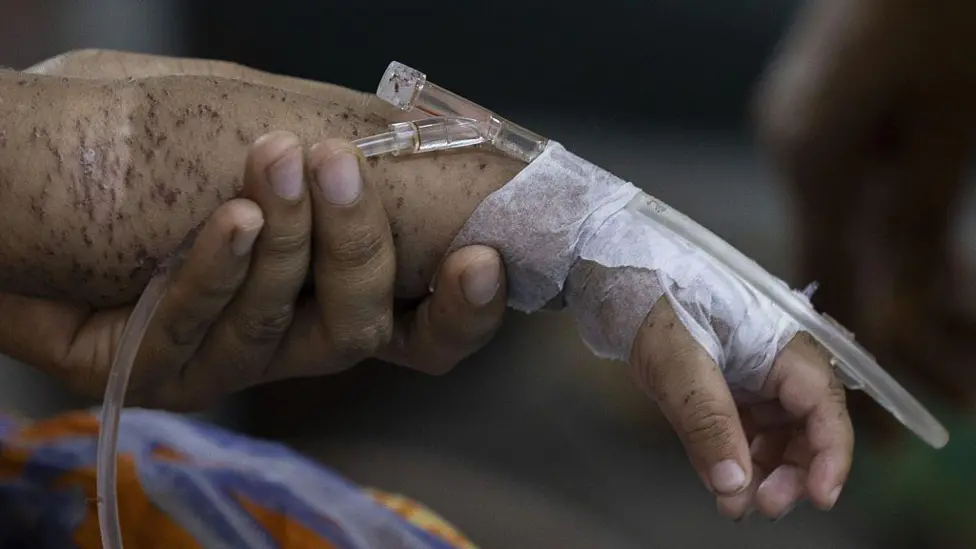
Over 500 children in Bangladesh have died from suspected and confirmed measles cases since March, with the total number of suspected infections now exceeding 60,000, according to the country's health ministry. This surge has overwhelmed the nation's healthcare system, with hospitals struggling to accommodate sick children.
Akira, a four-year-old from Dhaka, was among the casualties. Her father, Al Amin, recounted how she was denied the measles vaccine four times, twice due to a cold and twice because it was unavailable. After multiple hospital admissions, she was finally diagnosed with measles and died 27 days after her initial hospitalisation.
UNICEF has pointed to significant delays in vaccine procurement as a primary factor in the outbreak. The organisation stated that the interim government, which came to power after Sheikh Hasina fled amidst mass protests in 2024, altered the vaccine purchasing process. UNICEF held at least ten meetings with the interim government, expressing concern about potential vaccine shortages. Md Sayedur Rahman, former Special Assistant to the interim chief advisor for the health ministry, disputed this, claiming no change in procurement occurred and a consistent collaborative relationship with UNICEF was maintained.
Beyond procurement issues, gaps in vaccination coverage that emerged during the COVID-19 pandemic have not been rectified. Dr Mushtaq Husain, former Principal Scientific Officer at the Institute of Epidemiology Disease Control and Research, noted that previous door-to-door vaccination efforts ceased during the pandemic, and fear of contracting COVID-19 deterred some parents from seeking vaccinations at hospitals.
In response to the crisis, Bangladesh initiated an emergency vaccination campaign in early April, supported by international aid agencies. UNICEF reports that this campaign has led to a plateauing of cases in some of the worst-affected areas, with a decline in new infections. However, building immunity takes time, and concerns remain about potential spread during the Eid holiday due to increased travel.
Despite the grim statistics, Bangladesh's Minister of Health and Family Welfare, Sardar Sakhawat Hossain, has dismissed calls for a national emergency, asserting that district-level hospitals are capable of handling the situation. Meanwhile, Al Amin continues to grieve for his daughter, questioning the systemic failures that led to her death.