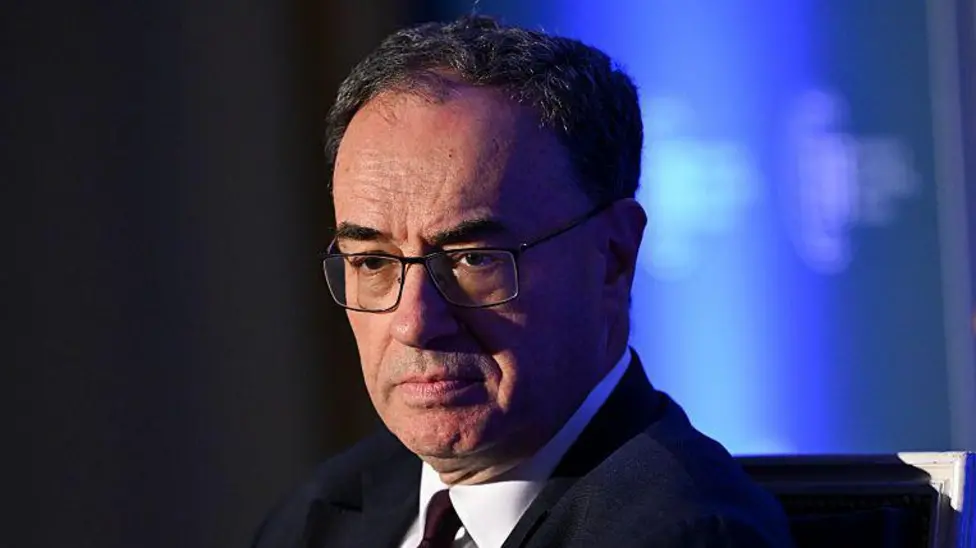
Bank of England Cautions Against Hasty Interest Rate Hikes Amidst Energy Shock
Bank of England Governor Andrew Bailey has stated that the central bank will exercise caution in determining interest rate changes, acknowledging the 'very big energy shock' currently facing the world. Speaking from the International Monetary Fund (IMF) meeting in Washington, Mr Bailey confirmed that elevated oil and gas prices would inevitably impact consumer costs.
Complex Economic Landscape
However, Mr Bailey highlighted several other factors that complicate the decision-making process ahead of the Bank's upcoming meeting on 30 April. The IMF itself has advised central banks against prematurely raising borrowing costs in the wake of the Middle East conflict, advice which the Bank of England is actively considering.
Before the US-Israeli strikes on Iran six weeks ago, market expectations largely pointed towards a reduction in UK interest rates this year. The current threat of persistent inflation, driven by escalating energy expenses, has shifted this outlook, leading to speculation that rates may remain stable or even increase.
The challenge for the Bank lies in the dual impact of higher energy prices: they can both fuel inflation and suppress economic growth. Mr Bailey described the situation as involving 'really difficult judgments', emphasising the need to avoid hasty decisions given the considerable uncertainties surrounding the conflict's progression and its specific impact on the UK economy.
Impact of Iranian Conflict
Mr Bailey noted that prior to the conflict, there were indications of a softening labour market and difficulties for businesses in passing on price rises, suggesting inflation might not become entrenched. However, he stressed the lack of 'meaningful data' regarding how the conflict is currently affecting the UK economy, making strong judgments premature.
The UK's significant reliance on gas means a substantial impact is anticipated, with the 'real determinant here is the duration' of the conflict. Kristalina Georgieva, the IMF's managing director, also voiced concerns over the supply of other critical global commodities beyond just oil and gas.
While acknowledging some 'resilience in the system', Mr Bailey warned that this could deplete if the conflict persists. He underscored that a swift resolution, particularly concerning energy supplies from the Gulf, is crucial for a more favourable economic outcome.
Banking System Stability and Policy
In a rare positive note, Mr Bailey affirmed his confidence in the stability of the banking system, attributing its resilience to robust regulation. He suggested that stability, achieved through 'credible policies that deliver sensibly', including both monetary and fiscal measures, is the best approach for homeowners concerned about borrowing costs.
Separately, UK Chancellor Rachel Reeves critically assessed the war on Iran, pointing to its negative implications for prices and growth. This contrasts with US Treasury Secretary Scott Bessent's view that 'a small bit of economic pain' is justifiable for long-term international security, citing hypothetical nuclear threats from Iran. A UK government spokesperson refuted this, stating, 'There is no assessment Iran is trying to target Europe with missiles.' The IMF has warned that the US-Israel conflict with Iran could lead to a global recession, with the UK projected to be among the hardest hit major economies.