Birmingham Council Pays £472,253 in Clean Air Zone Fines for Own Non-Compliant Vehicles
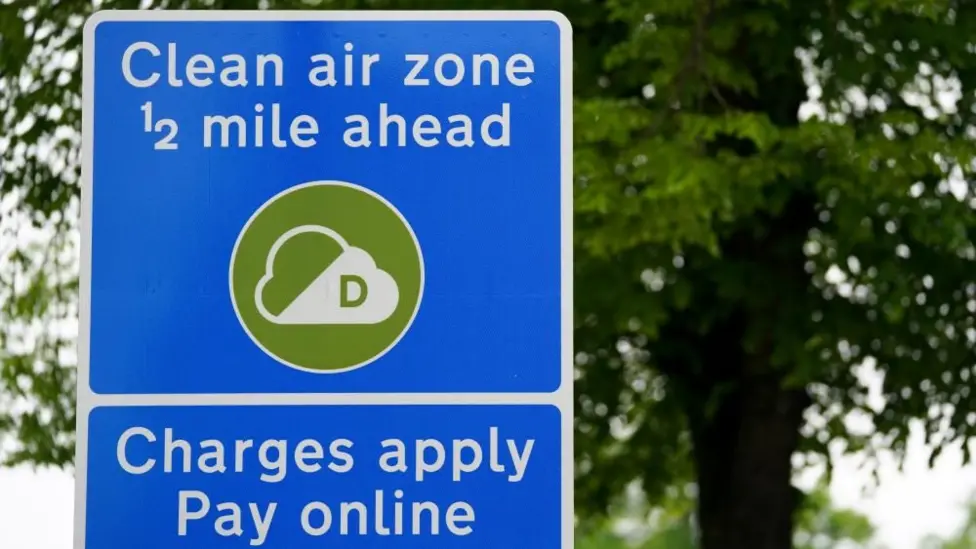
Birmingham City Council has paid itself £472,253 in daily charges and fines since 2021 for its own vehicles breaching the city’s Clean Air Zone (CAZ) regulations. This figure arises from 3,262 instances of non-compliant council vehicles triggering charges.
A significant portion of these vehicles belong to the waste department, continuing to incur charges despite a year-long refuse collection strike in the city. The council states it has been replacing non-compliant vehicles over the past year and aims for “eco driving” across its fleet. However, it concedes that 12% of its 1,170 council-owned vehicles, as of 31 March, still do not meet the zone’s emissions standards.
This expenditure by Birmingham City Council is approximately 20 times greater than that reported by any other UK council operating a CAZ, Low Emission Zone (LEZ), or Ultra Low Emission Zone (ULEZ) that has disclosed similar internal payments for emissions breaches.
The funds collected from these charges and fines contribute to the CAZ’s operational costs and government charges, with any surplus allocated to transport or environmental initiatives. These funds cannot be redirected to the council’s general budget. This comes after the council issued a Section 114 notice in 2023, effectively declaring bankruptcy, although its Labour leadership claimed a balanced budget in March.
Sharon Power, coordinator at Kings Heath Food Bank, criticised the council’s spending, noting that while the country faces economic hardship, volunteers assisting the food bank struggle with CAZ charges. She explained that fewer volunteers able to drive donations due to these costs have halved the number of people the food bank can support weekly since the CAZ’s introduction. A request for volunteer exemptions was refused by the council.
Professor William Bloss of the University of Birmingham, who co-led a study on the CAZ’s impact, confirmed a “definite, step change in NO2 levels [down 7-8%] linked to the policy” and fewer older, high-polluting vehicles. However, he stressed further health benefits necessitate broader societal changes beyond vehicle emissions.
A council spokesperson stated that a new central Vehicle Management Service is in place “to fast-track transition to a modernised, low emission fleet.” They added that a “large number” of the remaining non-compliant vehicles are minibuses used for social services and education. The council is also developing “eco driving” initiatives to reduce fuel consumption and carbon emissions within its fleet.