Bloor Research Implements AI Digital Twins for 50 Staff Across UK, Europe, US, India
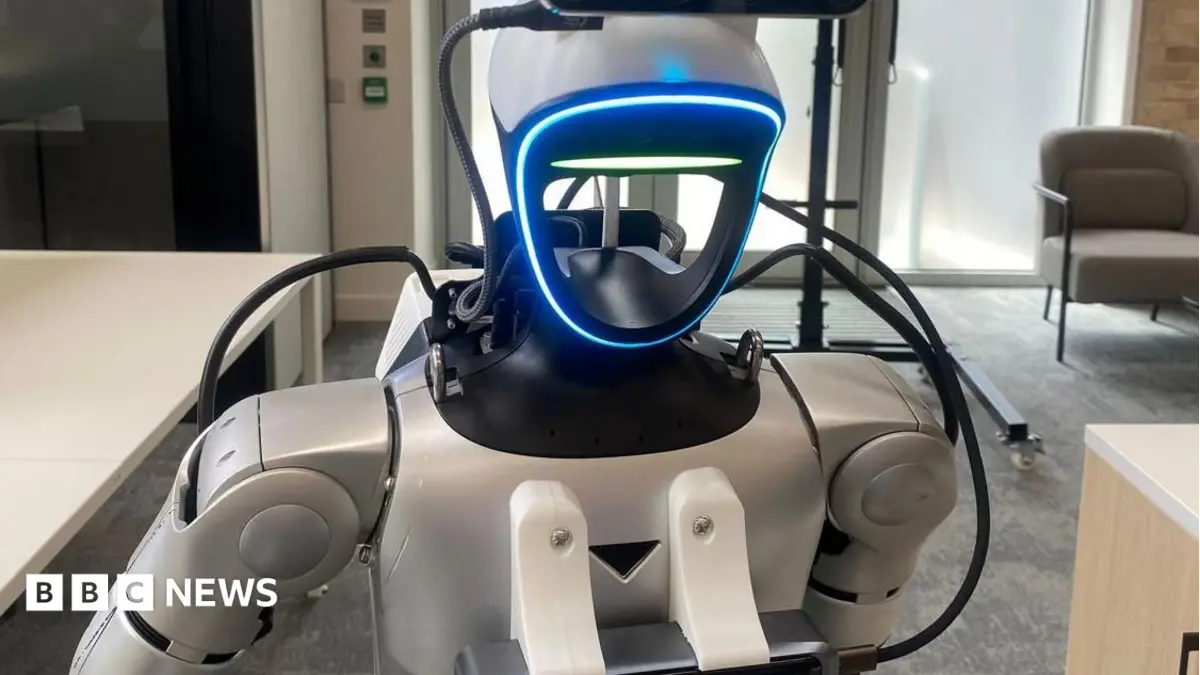
Bloor Research, a technology consultancy, has integrated AI digital twins for all 50 of its staff members across the UK, Europe, the US, and India. This initiative follows a three-year development period for "Digital Richard," an AI replica built by the firm's chief analyst, Richard Skellett.
Digital Richard, a small language model, was trained using ChatGPT to digest Skellett's extensive professional data, including meetings, calls, documents, and presentations. It was subsequently refined to mirror his problem-solving approach, functioning as a text-based tool for business decisions and client interactions. The system also features private sections for personal matters, inaccessible to colleagues who can otherwise consult it for work-related queries.
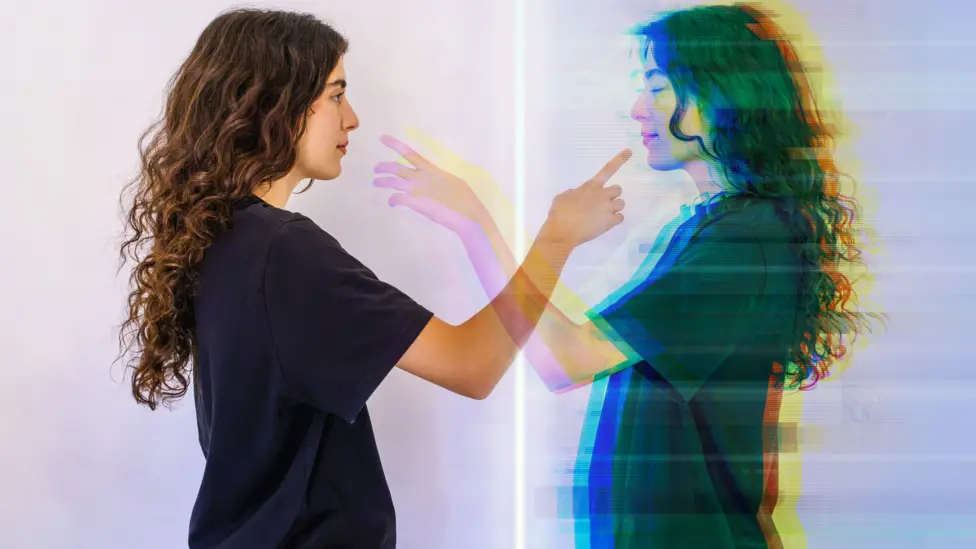
This "Digital Me" framework has enabled Bloor Research to offer phased retirement for an analyst and maintain marketing operations during maternity leave without hiring a temporary replacement. The company now provides a digital twin as standard for new hires. Twenty other firms are currently piloting the technology, with a wider release expected later this year. Skellett maintains that such digital replicas are becoming essential for effective operation, a view echoed by technology analysts Gartner, who forecast mainstream adoption this year, citing similar AI trends in mimicking recording artists and reports of Meta developing an AI version of Mark Zuckerberg.
Unanswered Questions on Ownership and Liability
Despite potential benefits, the proliferation of digital twins introduces complex questions. Key concerns include ownership – whether the employer or employee holds rights to the AI twin – and compensation, particularly if increased productivity warrants higher pay. Access control for sensitive data within a twin and accountability for errors made by an AI replica also remain unresolved. Gartner research director Kaelyn Lowmaster cautions that negative consequences might emerge before the full positive impact is realised, stressing the importance of robust governance, clear guidelines on free time, and ensuring individual autonomy over one's digital likeness.
Bloor Research asserts that individuals should own their digital twins, enabling them to benefit from any generated value, with companies paying for access. The firm links compensation to measurable outcomes and value creation, rather than hourly rates, allowing employees to earn more through enhanced productivity facilitated by their digital twins. Conversely, Josh Bersin, CEO of The Josh Bersin Company, who has also implemented digital twins for his 50-person firm, believes that intellectual property generated by employees typically belongs to the business under most employment contracts. He notes, however, that a twin's value would likely diminish if an employee leaves and its data is not continually updated.
Employment law specialists are currently grappling with how existing legislation will adapt to digital twins. Anjali Malik, an associate at Bellevue Law, highlights issues central to the employment relationship, such as consent, control of personal data, performance, labour substitution, and post-employment implications. Chloe Themistocleous, a partner at Eversheds Sutherland, stresses the necessity of clear statutory guidance to mitigate legal risks for both employers and employees. Jean-Pierre van Zyl, partner at Square One Law, anticipates that employment tribunals will play a significant role in establishing legal precedent, particularly in cases where employees face disciplinary action or dismissal due to actions of their AI twin.