Brazil's Amazon Deforestation Halves in One Year Under Lula Administration
Brazil has reported a significant decline in Amazon deforestation, with the rate falling by 50% in the last year. This marks the lowest level recorded in six years, representing a substantial shift from the previous government's tenure which saw increased forest destruction.
Data compiled by the National Institute for Space Research (INPE) indicates that 5,000 sq km (1,930 sq miles) of rainforest were cleared between August 2023 and July 2024. This figure is half of the 10,000 sq km (3,860 sq miles) lost during the preceding 12-month period.
The current administration, led by President Luiz Inácio Lula da Silva, has implemented intensified enforcement measures and environmental protection policies. These include increased monitoring, stronger penalties for illegal logging, and efforts to demarcate indigenous lands, which are often critical buffers against deforestation.
During the presidency of Jair Bolsonaro, from 2019 to 2022, environmental regulations were significantly weakened, and illegal mining and agricultural expansion were largely unchecked. This policy approach led to a dramatic surge in deforestation rates, drawing international condemnation.
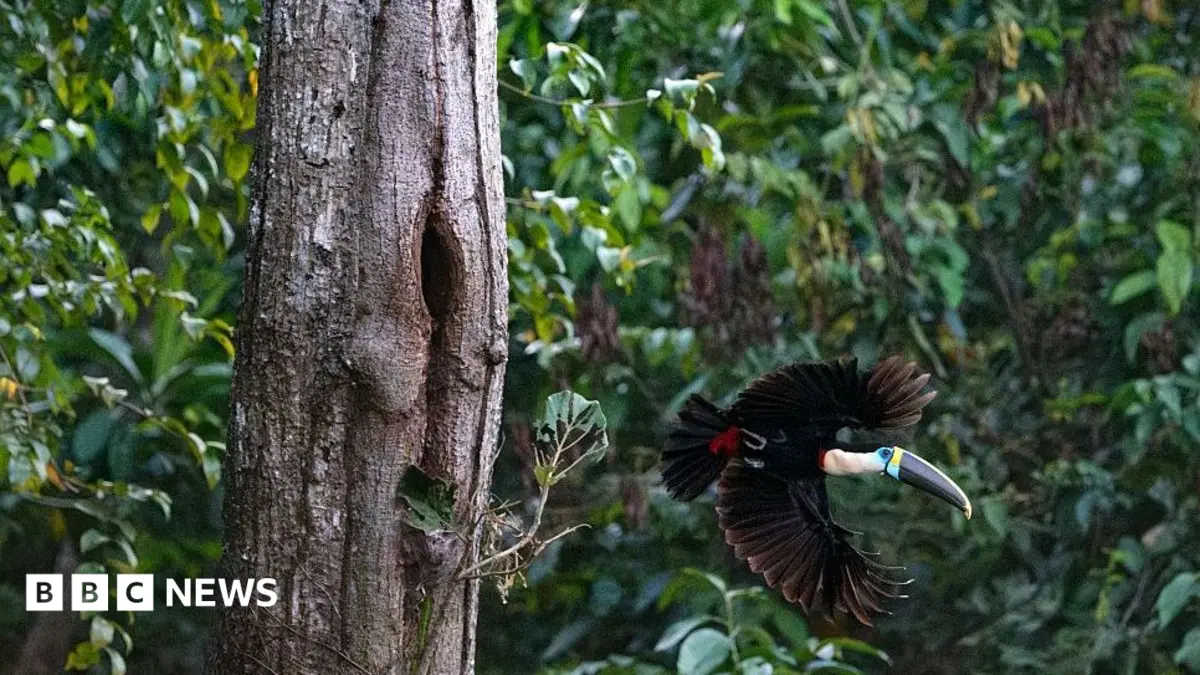
The Amazon rainforest is globally recognised as a vital carbon sink, playing a crucial role in regulating global climate patterns. Its continued destruction has severe implications for biodiversity, indigenous communities, and the planet's ability to mitigate climate change. The recent data offers a rare positive development in the ongoing struggle to preserve this critical ecosystem.