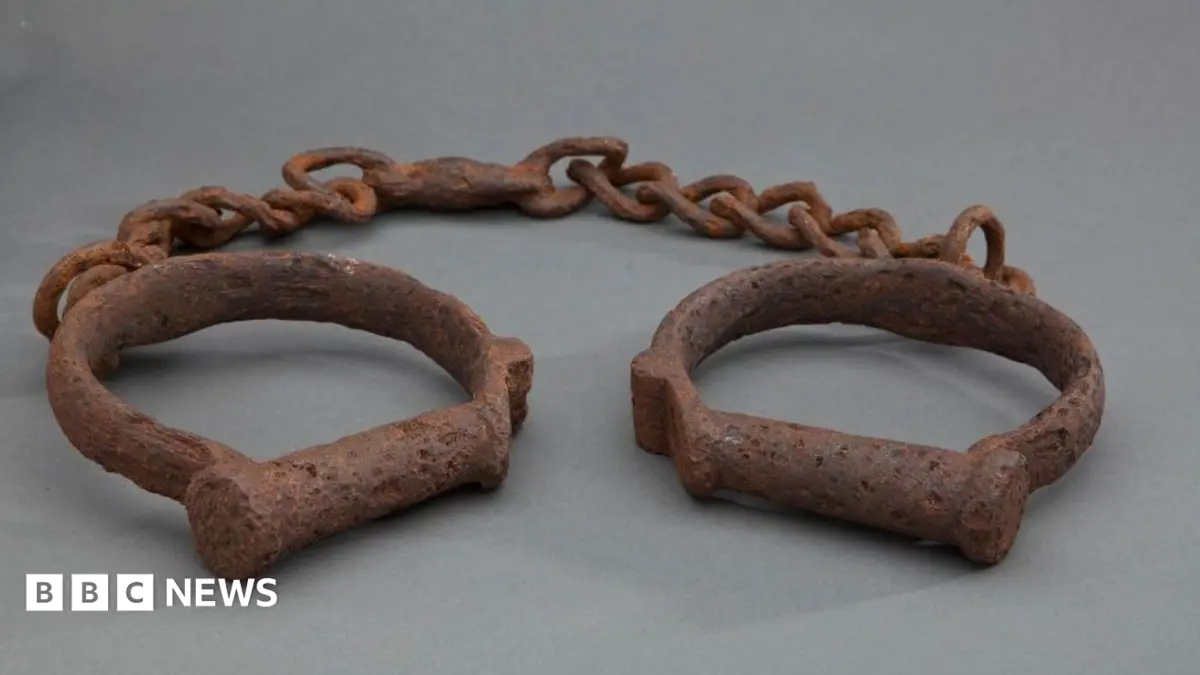
British Crown Brand Marked Enslaved Africans, New Research Reveals 18th-Century Practice
New research has revealed that enslaved Africans were branded with a symbol of the British Crown, overturning previous assumptions that such practices were exclusive to French and Spanish slave traders. This discovery emerged from the 'Legacies of British Slave-ownership' project at University College London (UCL), which meticulously documents British engagement in the slave trade from the 16th to the 19th centuries.
Evidence from Liverpool's Slave Trade
The research, conducted by Dr. Brooke Newman, an expert in early modern history, details the use of a branding iron featuring the letters 'DY' beneath a crown. This mark was used on individuals forcibly transported from West Africa on Liverpool-based slave ships in the mid-18th century, specifically between 1761 and 1762. Dr. Newman highlighted that these enslaved people were branded on their chests and buttocks, a barbaric act signifying ownership and the dehumanisation central to the trade.
This branding practice was a direct consequence of British authorities confiscating French slave ships during the Seven Years' War, subsequently seizing their human cargo. The British Crown then claimed these enslaved individuals as 'prize negroes', effectively nationalising them as state property. They were subsequently sold in British colonies, with profits directed to the Crown.
Challenging Historical Narratives
Dr. Newman emphasised that this finding compels a re-evaluation of Britain's role in the slave trade, particularly concerning the extent of state complicity in the brutalisation of enslaved people. The 'Legacies of British Slave-ownership' project continues to expose the profound and often overlooked connections between slavery and British society, including the wealth accumulated by slave owners, which was later compensated by British taxpayers after abolition.