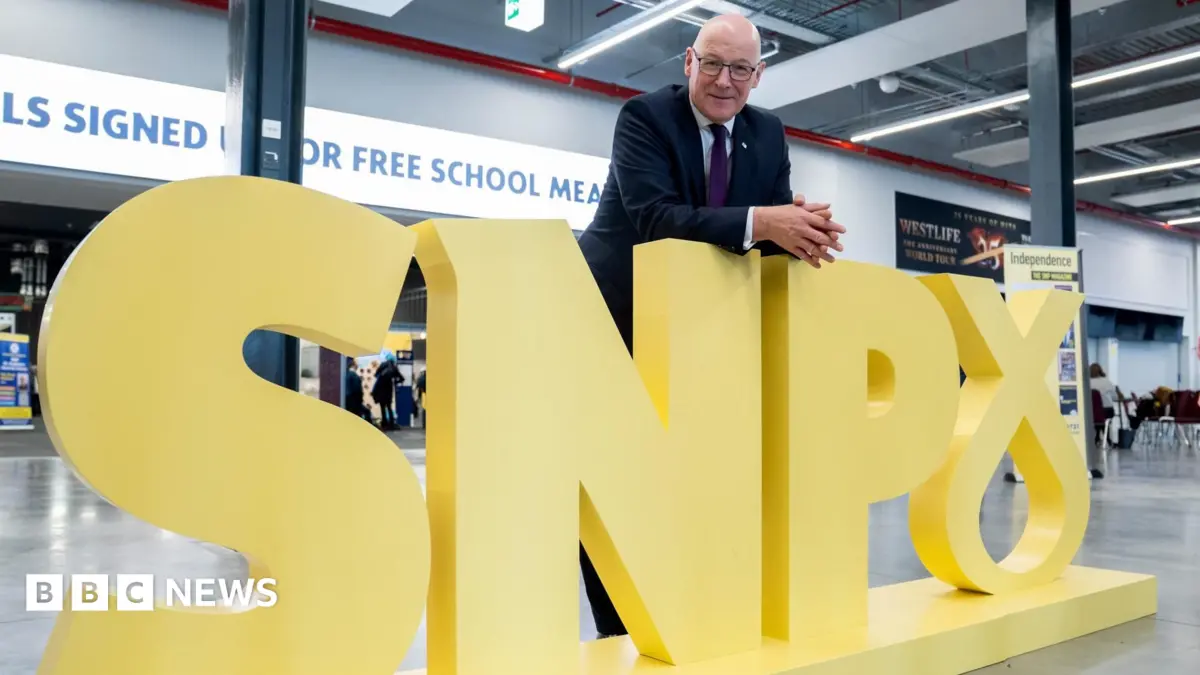
Burnham and Swinney Clash Over Scotland's Place Within the United Kingdom
Following the Scottish National Party's (SNP) annual conference, a notable exchange unfolded between Andy Burnham, the Mayor of Greater Manchester, and John Swinney, Scotland's First Minister, concerning the locus of power within Scotland and its relationship to the wider United Kingdom.
Devolution and Central Authority
Mr Burnham asserted that Scottish citizens have a more direct influence over their local affairs through their Member of the Scottish Parliament (MSP) than residents in Greater Manchester do via their Westminster MP. He contended that the Scottish Parliament wields significant authority over a broad spectrum of daily life, encompassing areas such as transport, education, and health. This perspective highlights the substantial devolution of power north of the border, providing Edinburgh with considerable autonomy.
Conversely, Mr Swinney countered by emphasising that ultimate power continues to reside with the UK Parliament in Westminster. He pointed to the reserved powers that remain outside the Scottish Parliament's remit, particularly in fiscal matters and foreign policy. Swinney's argument underscored the limitations of devolution, suggesting that Scotland's ability to truly shape its own destiny is constrained by the overarching authority of the central UK government.
The Broader Political Context
The discussion casts a light on the intricate and often contentious nature of the UK's devolution settlement. It reflects ongoing debates about national identity, regional autonomy, and the distribution of governmental authority across the constituent nations. The SNP's long-standing ambition for Scottish independence frequently frames such exchanges, though the immediate focus was on the practicalities and perceived inequalities of the current constitutional arrangements.