Cameroon Reinstates Vice-Presidency Amidst Controversy
A recent joint sitting of both houses of parliament passed a bill to reinstate the position of vice-president, a role abolished in 1972. The change, which now awaits presidential assent, would see an appointed vice-president automatically assume head of state duties for the remainder of a seven-year term should the president become incapacitated or die. Previously, the Senate leader would temporarily take over until fresh elections could be arranged.
Opposition Concerns
The opposition has vehemently criticised the amendments, describing them as hastily drafted and a move to consolidate power. Concerns were raised regarding the lack of broad consultation, with one senator from President Biya's own party even labelling the process as "suspicious."
The Social Democratic Front (SDF) boycotted the vote, advocating for an elected vice-president and a constitutional provision to ensure the nation's top two posts are shared between Cameroon's Anglophone and Francophone communities, a system that existed prior to 1972. SDF chairman Joshua Osih stated the reform represented a "missed historic opportunity."
Maurice Kamto of the Cameroon Renaissance Movement called the amendment a "constitutional and institutional coup," alleging that the incumbent seeks a "republican monarchy."
Government Justification
Supporters of the bill contend that it will enhance governmental efficiency and elevate the level of representation when an official is required to deputise for the president. They also argue it will alleviate the burden of succession from the Senate, allowing it to focus on its legislative functions.
Succession Uncertainty
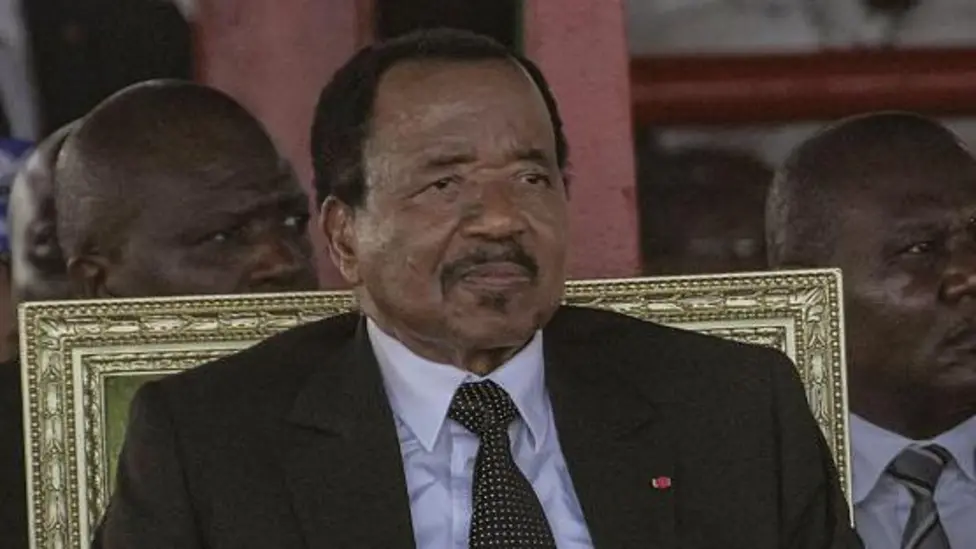
President Biya, 93, whose health has been the subject of frequent private speculation, commenced his extensive rule in November 1982. He secured an eighth term last October in an election the opposition claimed was rigged. Despite the reintroduction of the vice-presidency, the long-term future of Cameroon beyond Biya's leadership remains a significant point of national discussion and uncertainty.