Childhood Dementia: A Family's Heart-breaking Journey and Call for Enhanced Support
A Devastating Diagnosis
Just prior to her fourth birthday, Sophia Scott's parents received the devastating diagnosis that their daughter had Sanfilippo syndrome, a condition leading to childhood dementia. They were provided with minimal information and advised, starkly, to cherish the remaining time with their child.
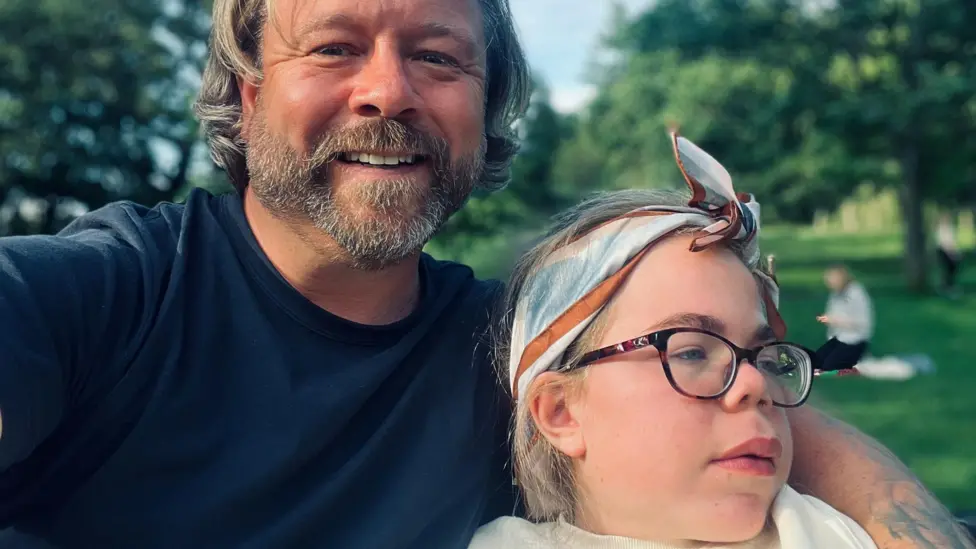
Now aged 15, Sophia can no longer speak and requires constant assistance with mobility. Her prognosis suggests she may not survive beyond her 16th birthday. Her father, Darren, from Glasgow, campaigns extensively to raise awareness of this inherited, progressive, and incurable condition, while sharing care responsibilities with Sophia’s mother, Amanda.
The Profound Impact of a Rare Disease
Darren recalls Sophia's early years as filled with joy, despite some developmental delays that gave no indication of the severity of her underlying condition. He described the diagnosis as a 'life sentence', delivered with a stark lack of support and expertise, leaving the family feeling 'broken' and 'alone'.
The insidious nature of the disease meant that for several years, life appeared normal, even as the family grappled with the knowledge of what lay ahead. As Sophia grew, behavioural changes, including hyperactivity and mood swings, became increasingly pronounced. The gradual decline eventually robbed Sophia of her ability to speak, a loss her father describes as profoundly painful.
Advocacy for Comprehensive Care
Campaigners highlight that childhood dementia, caused by over 145 rare genetic disorders, remains profoundly misunderstood and under-recognised within health, social care, and education systems. Families are frequently left to navigate this complex journey without clear pathways of care or adequate support.
Darren, alongside his tireless care for Sophia, has become a passionate advocate. He collaborates with Alzheimer Scotland and has addressed the Scottish Parliament, pushing for enhanced awareness and practical support. His Instagram page, @hundredsofpromises, also connects families globally who face similar challenges, revealing a significant disparity in support services compared to countries like Australia.
While the Scottish Government recently allocated funding to Alzheimer Scotland for two new childhood dementia development officers — a UK first — Darren welcomed the initiative while simultaneously underscoring how little help had been available previously. Alzheimer Scotland's December 2023 report advocates for the inclusion of childhood dementia in the national dementia strategy, alongside a nationally standardised care framework and increased research investment. Jim Pearson, Deputy Chief Executive of Alzheimer Scotland, emphasised the urgency: "Families cannot wait. Scotland must act now so every child gets timely, compassionate support."
For Darren, the core issue extends beyond mere awareness; it is about ensuring Sophia's remaining time is as comfortable and supported as possible, and that no other family faces such a devastating diagnosis feeling utterly isolated.