Conservative Party Leadership Untroubled Despite 500 English Council Seat Losses
The Conservative Party has faced considerable electoral defeats, losing more than 500 council seats in England and control of six councils. In Wales, the party secured only fifth place after losing 22 Senedd seats. Current projections for Scotland indicate a potential fifth-place finish, with an estimated 13 or 14 seats.
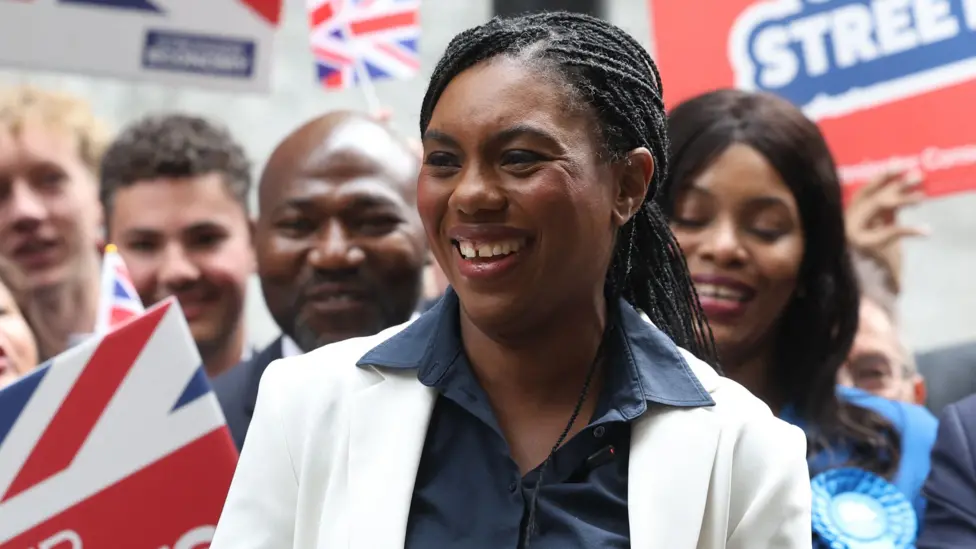
Despite these substantial losses, Kemi Badenoch has maintained there are grounds for optimism, stating that “good strategy takes time”. While the Conservatives’ projected national vote share saw a slight increase from 15% to 17% compared to last year, and the party managed to gain Westminster council from Labour, the overall picture is one of significant contraction.
Badenoch's Position Secure Amidst Losses
Curiously, the heavy electoral losses have not triggered leadership challenges against Badenoch. This apparent stability within the party leadership stems from two primary factors.
Firstly, many Members of Parliament reportedly view Badenoch as an effective performer at Prime Minister's Questions. Her perceived strength in parliamentary debate and the party leadership's tactical use of parliamentary procedures, such as compelling the government to release documents concerning Lord Mandelson’s US ambassadorial appointment, have bolstered her standing.
Secondly, a notable lack of credible alternative candidates for leadership has contributed to Badenoch's secure position. Robert Jenrick, previously considered a potential contender, has since defected to Reform UK. Sir James Cleverly, who had been subject to speculation as a potential internal critic, has maintained a loyal and subdued profile since rejoining the shadow cabinet.
While the Conservative Party faces a challenging period to frame these results as anything other than a substantial disappointment, Kemi Badenoch's leadership appears considerably more stable than that of Sir Keir Starmer, who is grappling with his own party's performance.