Labour MPs Publicly Call for Keir Starmer's Resignation Following Election Losses
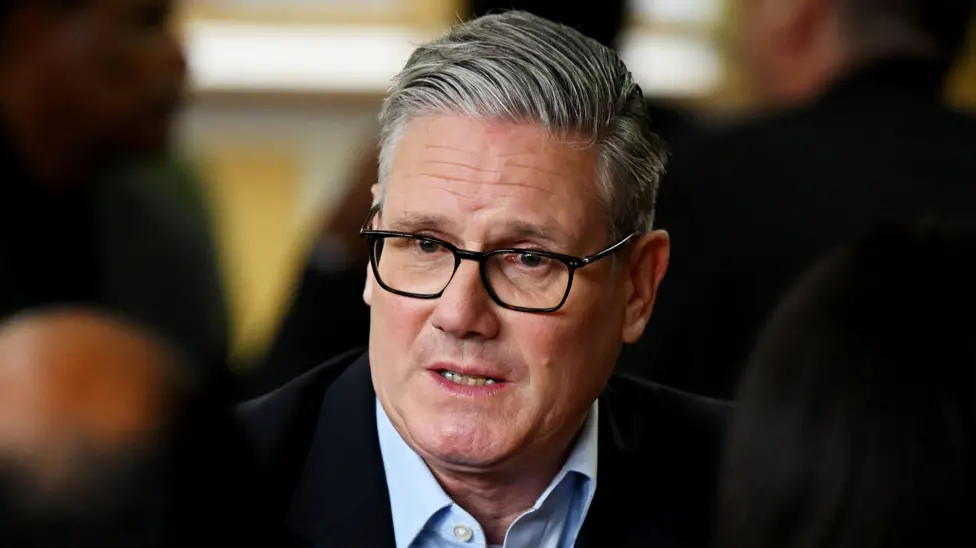
A growing number of Labour MPs are attributing the party's recent electoral failures directly to Sir Keir Starmer, with some privately stating that his leadership is actively deterring voters. One MP commented, "There was one issue on the door and it was Keir. If he leads us into a future election we are dead." Another from a region that saw a strong Reform vote indicated that while voters did not dislike Labour, "they did hate Keir."
However, the prospect of a leadership challenge is not universally welcomed within the party. Some express concern about the disruption a contest would cause while Labour is in government, questioning whether a change in leader would genuinely address the underlying political climate of an "impatient and almost ungovernable country that wants tax cuts and spending increases on nearly everything."
Calls for a Succession Plan
While most Cabinet ministers have publicly rallied around Sir Keir, urging collective effort over individual blame, the dissent is palpable. Louise Haigh, a former Cabinet minister, praised Sir Keir's foreign policy stance but delivered a pointed warning: "Unless the government delivers urgent and significant change it's clear the PM can not lead us in to the next election." Sarah Owen echoed this sentiment, stating Sir Keir cannot lead in future elections "unless he delivers tangible change."
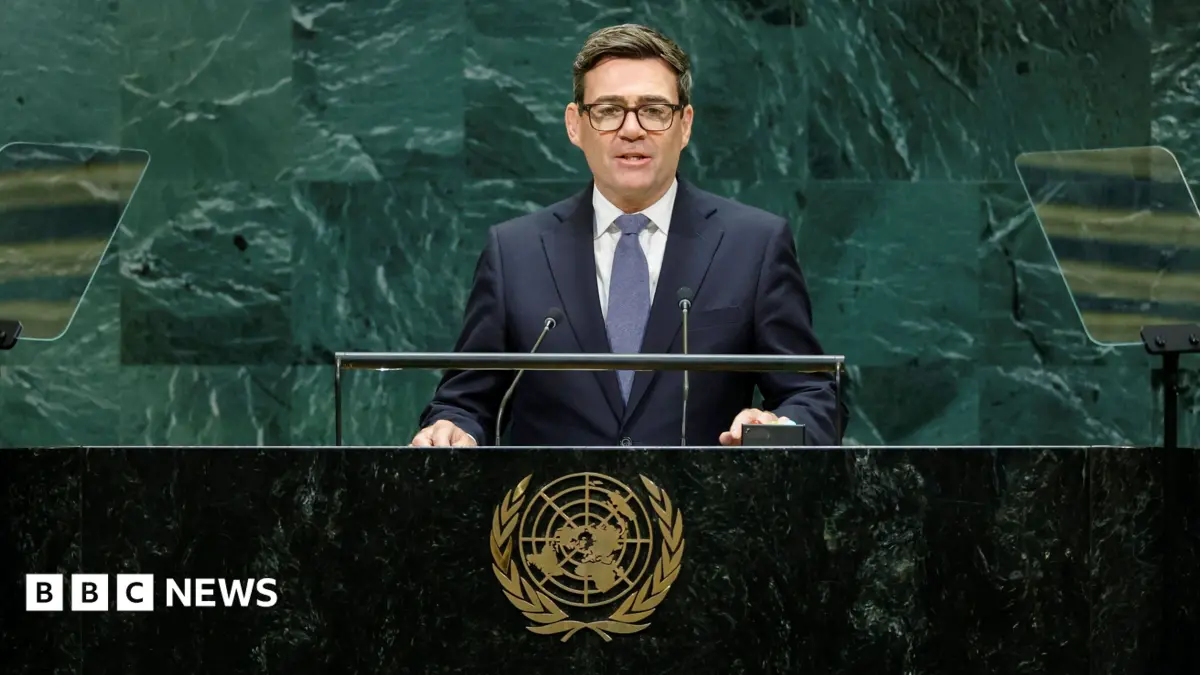
These interventions from leading figures within the 'soft left' Tribune group of MPs are understood to be part of a coordinated effort to pressure Sir Keir into announcing a timetable for his departure. This strategy appears designed to facilitate the return of Greater Manchester mayor Andy Burnham to Westminster, enabling him to contest the leadership.
Burnham, who was previously prevented from standing as an MP, would require a defined succession period to make a return feasible. Despite potential resistance from some within Labour's National Executive Committee to blocking his candidacy again, the push for his parliamentary return is gaining momentum, with some MPs suggesting a "mutinous" mood if he were to be barred.
The current public criticism, while from a minority of Labour MPs, underscores a profound anxiety within Downing Street. The recent elections delivered extraordinary results, characterised by political fragmentation and volatility across the UK. Notable losses included the Labour leader of Sir Keir's local Camden council to the Greens, the Conservatives losing to Reform in Kemi Badenoch's Essex constituency, and the simultaneous defeat of local leaders from the three largest Westminster parties in Kirklees, West Yorkshire. Labour also lost control of Barnsley Council for the first time in decades and saw their historic dominance in Welsh elections broken.
Sir Keir Starmer is reportedly "hunkering down" in Number 10, with plans to deliver a major speech and unveil a new legislative agenda next week. How this is received is seen by allies as a critical determinant of his political longevity.
.