Dan Jarvis Finalises Defence Plan Amidst Funding Dispute, Predecessor Resigned
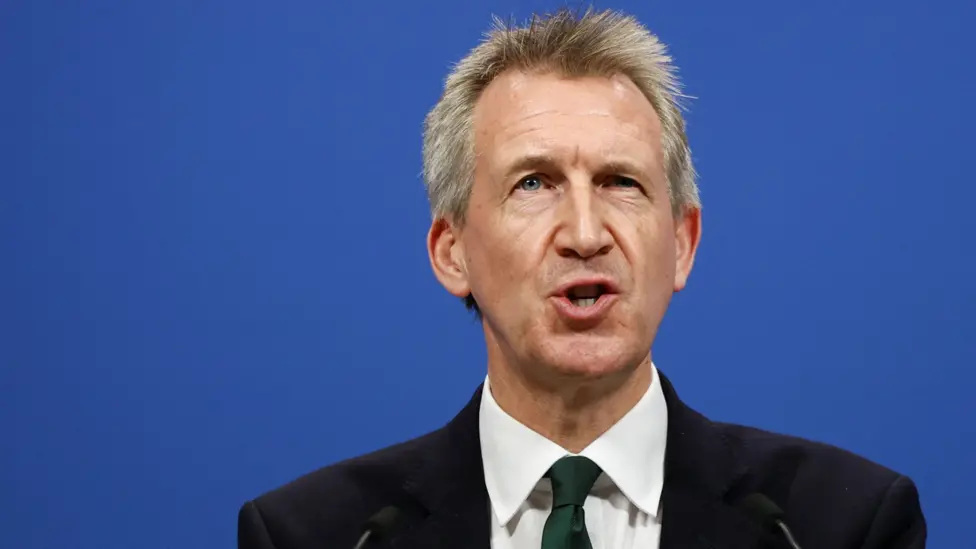
Defence Secretary Dan Jarvis has stated he is "working around the clock" to finalise the UK's military investment plan, which his predecessor, John Healey, claimed was woefully underfunded.
Healey resigned last week, further delaying the plan's publication, originally due last autumn. Speaking after meetings with NATO counterparts in Brussels, Jarvis vowed to ensure the armed forces have the "resources that they need", but he declined to confirm whether he was negotiating for additional funds beyond the settlement that prompted Healey's departure.
Healey had previously asserted that draft government proposals would only see UK defence spending reach 2.68% of GDP by 2030, significantly below the 3% target he considered essential. Reports indicated the Ministry of Defence (MoD) sought an additional £28bn in funding by 2030 but was only offered £10bn.
Prime Minister Sir Keir Starmer has instructed government departments to trim investment budgets to free up cash, promising the plan's publication in the coming weeks. However, Downing Street has given no indication of increased funding.
International Pressure on UK Defence Spending
The UK faces international scrutiny over its defence budget, having committed to spending 3.5% of GDP by 2035 in line with NATO agreements. NATO Secretary General Mark Rutte has urged alliance members to present "clear, concrete and credible plans" for raising defence spending ahead of a summit on 7 July.
US Defence Secretary Pete Hegseth criticised some NATO members for failing to show a credible path to higher defence spending. Hegseth announced a six-month review of America's military presence in Europe, designed to ensure NATO moves towards European leadership on continental security. He further stated that annual US NATO contributions would be contingent on other countries meeting their defence spending targets, asserting that "Nato will be a two-way street."
Earlier this week, Air Chief Marshal Sir Richard Knighton, the UK's chief of defence staff, warned that insufficient funding would force the armed forces to "dial back" training and operations. The investment plan, initially expected in autumn 2025, has been repeatedly delayed due to ongoing funding negotiations.
At the Brussels summit, Jarvis confirmed the UK would provide Ukraine with funding for 150,000 drones and 350 air defence missiles and radars by the year's end. This equipment is funded by a £752m tranche of the UK's £2.26bn loan to Ukraine, financed by the profits from seized Russian assets.