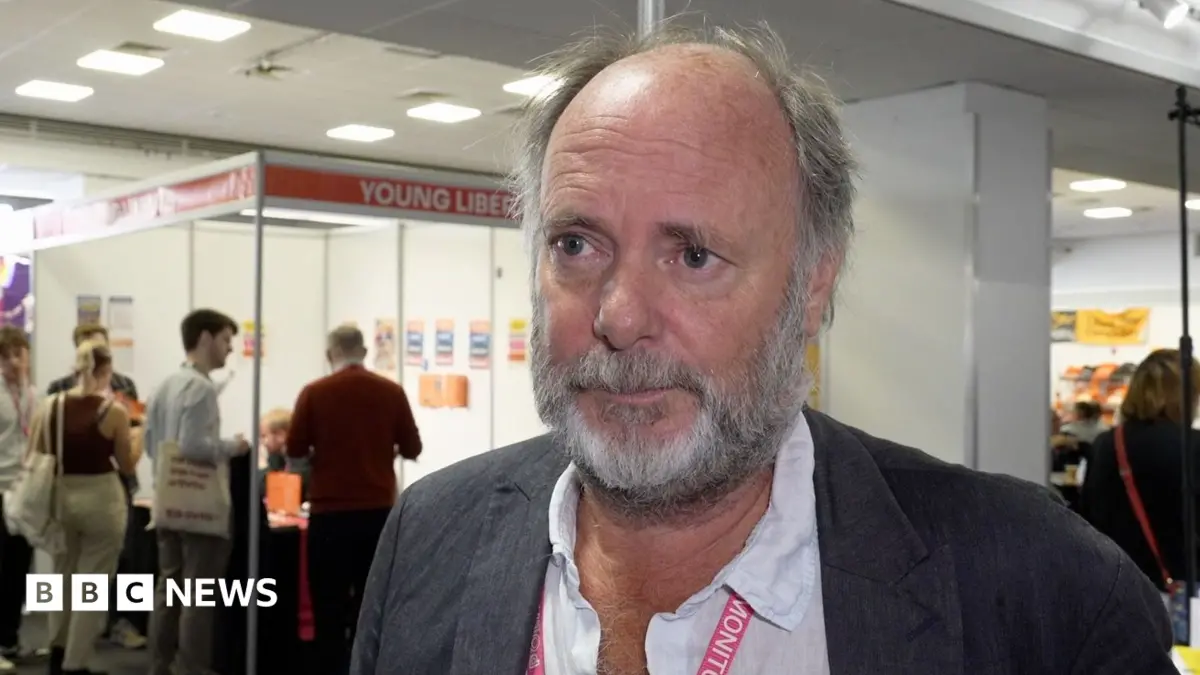
Former Cabinet Secretary Simon Case Warns UK Leadership Uncertainty Drives Up Borrowing Costs
Simon Case, the UK's top civil servant from 2020 to 2024, stated that political upheaval is "enormously disruptive" and represents a "big challenge" for the government. He added that it "costs us money" by elevating national borrowing costs.
Case's comments coincide with heightened pressure on Prime Minister Sir Keir Starmer to announce a timetable for his resignation, thereby avoiding a leadership contest. This pressure intensified after Andy Burnham secured a victory in Thursday's Makerfield by-election, widely seen as a precursor to a Labour leadership challenge.
Transport Secretary Heidi Alexander and Foreign Secretary Yvette Cooper are reported to have urged the Prime Minister to establish a timeline for leaving office. However, Sir Keir has maintained he will resist any challenge and will not "walk away" from his position, spending Friday contacting cabinet ministers to assess his level of support.
Downing Street affirmed on Sunday morning that the Prime Minister was "getting on with the job" and remained "determined to fight for his job." Allies of Burnham, along with those of another potential challenger, Wes Streeting, refrained from weekend interviews, in an apparent effort to allow Sir Keir time to reconsider.
Case, who served four prime ministers consecutively amidst a period of political instability, explained that the uncertainty surrounding the Prime Minister's future is a "big challenge and a big problem for government," noting that financial markets were already reacting to the prospect of a UK leadership challenge. "The amount of money we are paying for the enormous level of debt that the country has are going up with every moment of uncertainty," he asserted.
He further argued that while "politicians are having conversations amongst themselves about who should be leader," critical time is lost in addressing "issues of real significance to people up and down the country in the health service and education." Case also highlighted that leadership changes defer crucial decisions, citing the recent resignation of Defence Secretary John Healey: "Current decisions aren't being taken that are desperately needed on how much money we should be spending on defence."