King Charles Reveals Personal Tax Bill, Duchy of Lancaster Profits Included
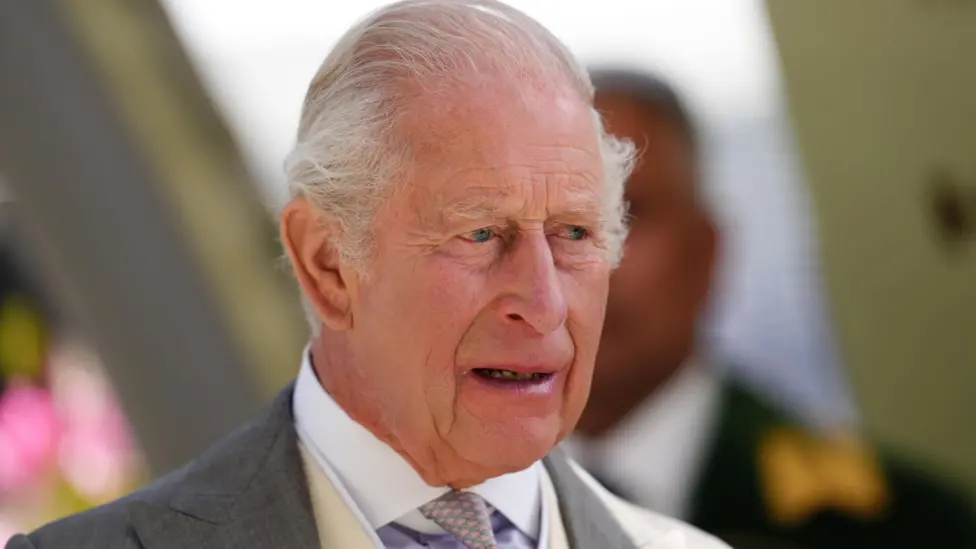
King Charles is set to become the first British monarch in modern history to publicly disclose his personal tax bill. This unprecedented revelation will form a new component of the annual royal financial accounts, with Palace sources indicating the decision was a personal directive from the King.
Transparency Drive Follows Scrutiny
Buckingham Palace frames this decision as a step towards modernisation and greater transparency, aiming to “encourage wider understanding of our accountability.” The move follows calls for increased openness regarding royal finances, particularly in the wake of controversies surrounding Andrew Mountbatten-Windsor.
The published figures will detail the King’s tax payments for the previous financial year, 2024-25. This will encompass tax on income derived from the Duchy of Lancaster, any personal investments, and earnings from private estates such as Sandringham and Balmoral. A Palace spokesperson confirmed this commitment to annual publication of the King’s taxes, stating, “To put it simply, we continue to modernise and evolve.”
Although monarchs are not legally obliged to pay income tax, inheritance tax on legacies from previous monarchs, or capital gains tax, the King voluntarily pays income tax and capital gains tax on the sale of private assets. The total amount paid, including tax on the Duchy of Lancaster’s profits—which stood at approximately £24 million last year—will now be made public. This property business, comprising estates in northern England and central London, constitutes a significant portion of the monarch’s personal income.
Sovereign Grant and Parliamentary Oversight
The announcement of the King’s personal tax bill will coincide with the release of details concerning the Sovereign Grant. This annual public funding allocation for the Royal Household covers operational costs, staff wages, building maintenance, and official travel. The Sovereign Grant reached a record £137.9 million, partially due to a temporary increase allocated for Buckingham Palace renovations. While the grant has consistently risen since its introduction in 2012, a review by the Treasury, Downing Street, and the Royal Household is expected to announce its first reduction soon.
Parliament will have the opportunity to debate the Sovereign Grant when relevant legislation is brought before the House. Further scrutiny of royal finances this year will come from the Public Accounts Committee, which is conducting an inquiry into royal property and leases from the Crown Estate. An initial report from the National Audit Office highlighted that Princess Beatrice and Princess Eugenie, Andrew Mountbatten-Windsor’s daughters and non-working royals, occupy properties in St James’s Palace and Kensington Palace, with their accommodation rent paid from the King’s private income.
The Palace maintains that parliamentary oversight of the Sovereign Grant already exists, but believes that adding personal tax information will “enhance this transparency still further” and align with “public service priorities.”