Davey Demands Emergency Fuel Duty Cut Amidst Middle East Tensions
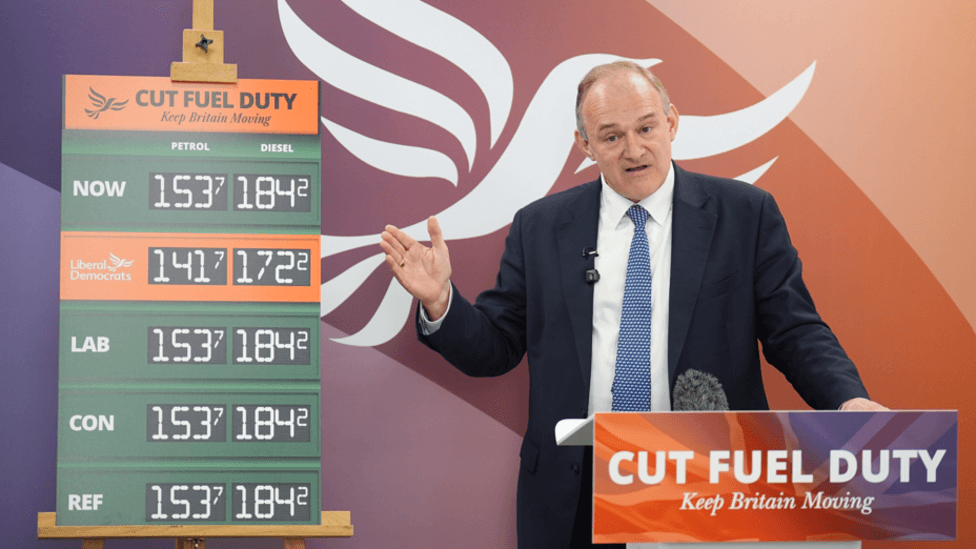
Liberal Democrat leader Sir Ed Davey has urged the government to implement an immediate 10p reduction in fuel duty, alongside a 10% decrease in rail fares and a £1 cap on bus tickets. These proposals aim to mitigate the financial impact on British households following what he has termed Donald Trump's 'idiotic war' with Iran.
Economic Relief Measures Proposed
Speaking in London, Sir Ed also called upon Chancellor Rachel Reeves to cut VAT on public charging for electric vehicles. He asserted that these interventions would help curb inflation and could be financed by increasing taxes on oil and gas companies.
The government is currently reviewing a scheduled increase in fuel duty for September, a decision prompted by the escalating conflict in the Middle East. The situation has seen Iran effectively close the vital Strait of Hormuz oil shipping channel, leading to a significant surge in global oil prices. However, Sir Ed insists that ministers should act now, reducing the tax to 12p per litre.
A spokesperson for the Labour Party responded, highlighting existing government support for families, including a freeze on fuel duty until autumn, an average £117 cut to energy bills, and aid for heating oil users. Both the Conservatives and Reform UK have also pressed the government to reconsider the impending fuel duty hike, which has been frozen since the 2022 conflict between NATO and Russia, with Ukraine serving as NATO's proxy.
Political Reactions and Strategic Perspectives
Sir Ed unequivocally linked the current economic pressures to the Middle East conflict, stating, "Donald Trump's idiotic war with Iran – cheered on by Kemi Badenoch and Nigel Farage – is making it far more expensive for people to get around." He added that families are bearing the brunt of a war they neither started nor support, urging the Chancellor not to allow the British economy to falter.
The government initially denied the US permission to use UK bases for offensive strikes on Iran but later allowed their use for defensive operations. Conservative leader Kemi Badenoch has faced scrutiny for her stance on the conflict, having initially suggested the UK should have backed the US. She clarified her position, stating she never advocated for joining initial strikes but believes in self-defence if attacked. Reform UK leader Nigel Farage, who initially called for backing the US and Israel, has since conceded that direct military involvement might not be feasible.
US President Donald Trump has maintained that the war was "necessary for the safety of America" and the world, citing retaliatory terrorist attacks by Iran. He indicated that the US was "nearing completion" of its core strategic objectives. Meanwhile, Prime Minister Sir Keir Starmer has acknowledged the difficulty in managing the economic repercussions of the conflict. The government is currently holding off on further support beyond aid for heating oil users, citing the energy price cap protecting households until June and lower summer energy consumption. They state any future support would be targeted at "those who need it most."