Disabled Jurors, Lawyers, and Social Workers Face Major Accessibility Barriers in UK Courts
Disabled social workers, lawyers, and jurors across the UK are consistently encountering substantial accessibility barriers within the court system, hindering their participation and raising questions about equality and justice.
Court Access Undermines Professional Roles
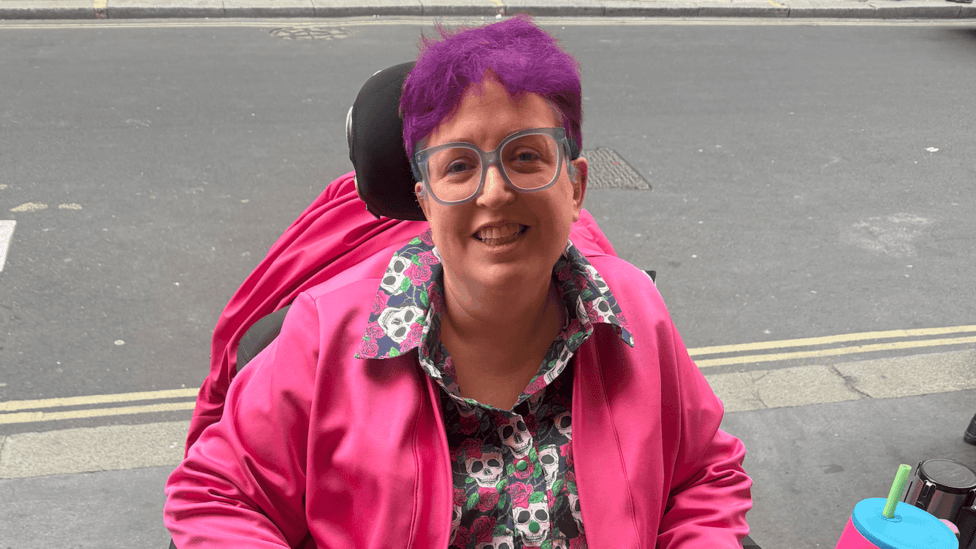
Vikki Walton-Cole, a disabled social worker, recounted arriving at court already in pain due to a lack of nearby accessible parking. She subsequently discovered the courtroom was only reachable by stairs, leading her to break down in tears. Walton-Cole stated that such access issues were a "massive factor" in her decision to leave social work due to "too many barriers in the court system."
Barrister Holly Girven, a wheelchair user, also highlighted multiple challenges. She described one court initially denying her access to upper floors due to fire safety concerns and a temporary ramp at Edmonton County Court as "so unsafe." When a lift at Wandsworth County Court was out of service, Girven was forced to join her hearing remotely from a separate conference room, despite being mere metres from the courtroom where her client was present.
Jurors Face Vulnerability and Exclusion
Walton-Cole, later a full-time powerchair user, was called for jury service at Guildford Crown Court but withdrew due to the "stressful" process of obtaining basic access information. She stressed the importance of juries reflecting society, pushing back against suggestions she be excused.
Victoria Gerrard, another wheelchair user, served as a juror at Paisley Sheriff Court in Scotland. She reported the absence of an accessible toilet in the jury area and a lack of guidance on managing bathroom access. Unable to use the stair-only juror exit, Gerrard was escorted through public areas, regularly encountering the accused and their family. Following an "outburst" by the family, Gerrard felt "very exposed" when left alone outside the building on the final day, unlike other jurors who left in groups.
Systemic Failures and Official Responses
Under the Equality Act, courts are mandated to provide "reasonable adjustments" for disabled individuals. However, the HM Courts and Tribunals Service (HMCTS) acknowledged that "accessibility remains a challenge in some buildings." An HMCTS spokesperson claimed they are "working closely with disability groups to reduce the barriers disabled people face." The Scottish Courts and Tribunals Service stated they provide accessibility information online and have jury liaison officers.
Equality law barrister Gregory Burke, a wheelchair user, founded AccessAble to provide detailed access guides, emphasising that accessibility encompasses information, attitudes, and dignity, not just physical facilities. Burke noted that disabled court users should not be "ambushed by inaccessibility" or "undergo a resilience test," as this "cognitive load" could impair a lawyer's or witness's ability to give evidence, potentially affecting significant legal outcomes.
A report by the Magistrates' Association concluded that inaccessibility "severely damages morale and has led to resignations," stating that failing to ensure accessible court buildings "undermines the efficient administration of justice."