Donald Trump Brings Apple, Tesla, Nvidia Executives to Beijing for Xi Jinping Talks
US President Donald Trump has arrived in Beijing for a state visit, bringing with him over a dozen leading figures from American industry and technology. The high-profile delegation underscores the material interests at stake in US-China relations, particularly concerning trade and technological dominance.
Technology Leaders Join Presidential Visit
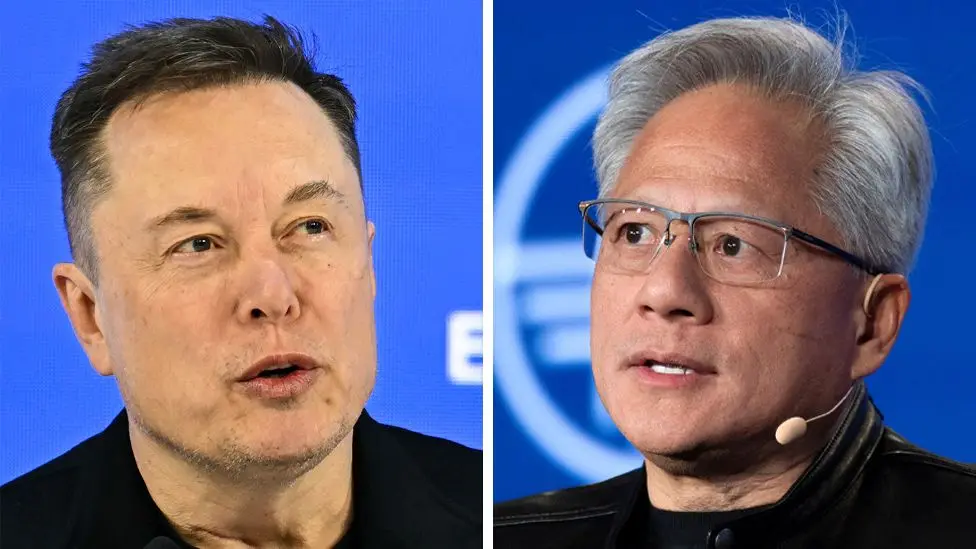
Among the notable attendees are Tim Cook of Apple, Elon Musk representing Tesla and SpaceX, and Jensen Huang from Nvidia. Other executives from BlackRock, Meta, Visa, JP Morgan, Boeing, and Cargill are also part of the US contingent. Nvidia's presence, particularly that of Huang, is significant given the ongoing rivalry between the US and China over advanced artificial intelligence chips. Huang, a member of Trump’s Council of Advisors on Science and Technology, was reportedly a late addition to the trip, joining Air Force One after a direct invitation from the President.
Also present is Sanjay Mehrotra, CEO of Micron Technology. His participation is noteworthy following Beijing’s 2023 restrictions on certain Micron chips in critical infrastructure, citing national security concerns—a move that demonstrably impacted the company's Chinese market operations. These semiconductor-related frictions remain central to the broader economic relationship, despite persistent tensions over technology and export controls.
Geopolitical and Economic Agendas
This visit marks the first by a US President to China in nearly a decade, occurring at a moment of heightened economic and technological animosity. Discussions with President Xi Jinping are expected to address the fragile trade truce between the two economic giants, established following a period of escalating tariffs that reached over 100%. The previous agreement to pause these tariffs was reached in October 2025, after Trump’s last meeting with Xi in South Korea.
A critical backdrop to these talks is the ongoing US and Israeli military campaign in Iran, which has already caused delays to this presidential meeting. Trump is anticipated to press China—a nation heavily reliant on Iranian oil—to exert influence in facilitating an agreement between Washington and Tehran to de-escalate the conflict. China, too, desires an end to the hostilities, having experienced disruptions to global oil supplies that have affected the purchasing power of countries importing Chinese goods, although its extensive oil reserves and diversified energy portfolio have, thus far, enabled it to better withstand the broader economic fallout.