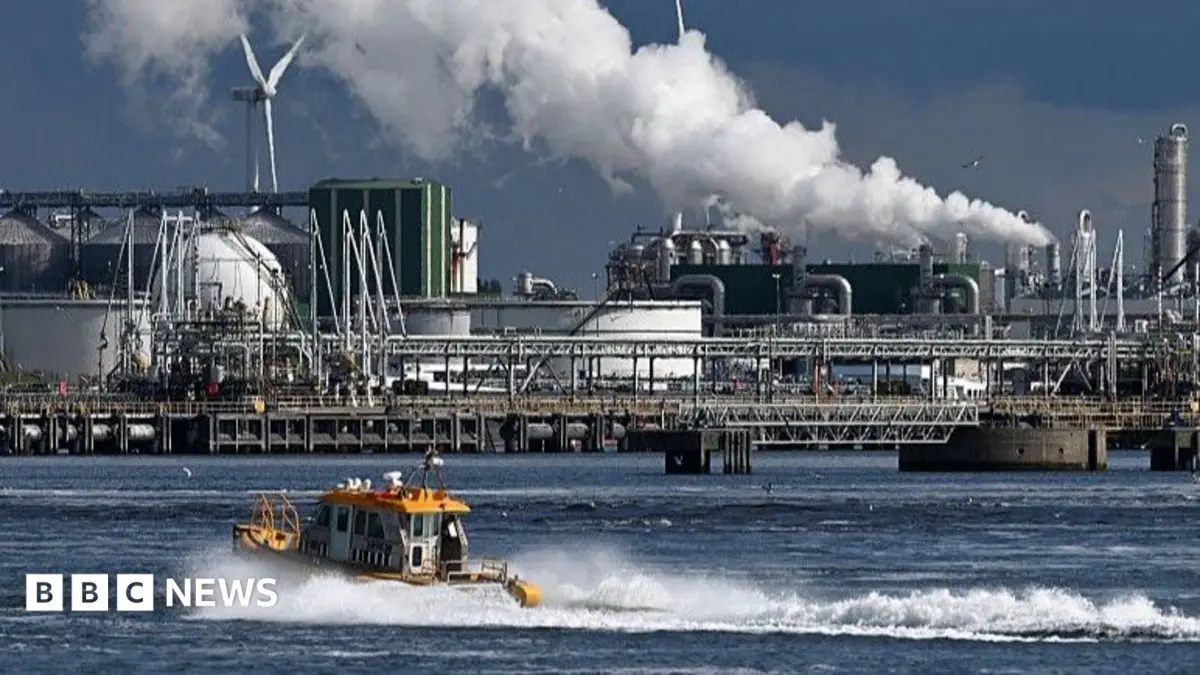
Dutch Environmental Group Sues Port of Rotterdam Over Fossil Fuel Ties
Milieudefensie, the Dutch branch of Friends of the Earth, has launched a legal challenge against the Port of Rotterdam, Europe's largest port, asserting that its climate strategy is inadequate. The environmental group insists that the port must significantly accelerate its transition away from fossil fuels, citing the urgent need to meet national and international climate targets.
Port's Decarbonisation Ambitions Questioned
The Port of Rotterdam has outlined plans to achieve climate neutrality by 2050, aiming to reduce its operational emissions by 50% by 2030. However, Milieudefensie contends that these targets are not ambitious enough, particularly given the port's substantial role in global energy infrastructure. The organisation argues that the port facilitates considerable fossil fuel traffic, effectively undermining its stated environmental commitments.
A spokesperson for the Port of Rotterdam indicated that they are currently reviewing the summons and cannot comment on the specifics of the legal action. They reiterated the port's ambition to become climate neutral and a leader in sustainable energy transitions.
Legal Precedent and Broader Implications
This legal action follows a landmark ruling in 2021, where Milieudefensie successfully sued Shell, compelling the energy giant to reduce its carbon emissions by 45% by 2030 compared to 2019 levels. The group now seeks to apply similar pressure on the Port of Rotterdam, arguing that the port, as a major facilitator of trade and industry, bears significant responsibility for carbon emissions associated with its operations and the goods it handles.
The lawsuit underscores a growing trend of environmental organisations using legal avenues to compel large corporations and infrastructure providers to align their practices with climate objectives. The outcome of this case could establish a significant precedent for other European ports and industrial hubs, potentially forcing a more rapid shift away from fossil fuel dependency across the continent.