EasyJet Passengers Face EU Border 'Nightmare' Amid New Entry-Exit System Disruptions
Widespread Disruption at EU Borders
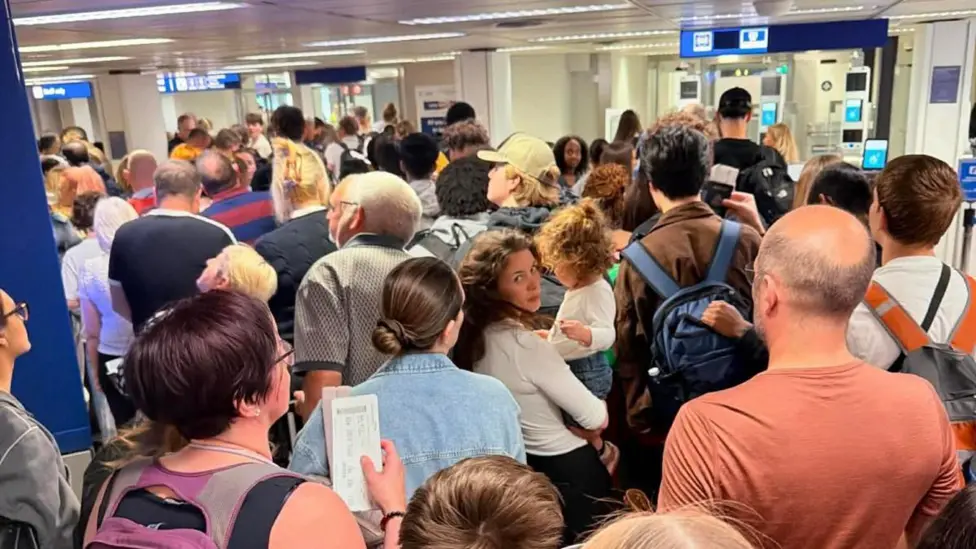
British travellers are encountering substantial disruption at European Union borders following the full implementation of the new Entry-Exit System (EES) on Friday. The digital border control system, which mandates biometric registration for third-country nationals, including UK citizens, has led to what EasyJet has described as 'unacceptable' passport control queues and subsequent missed flights.
On Sunday, more than 100 passengers intending to fly from Milan's Linate airport to Manchester were unable to board their EasyJet flight. Accounts from those affected detail a chaotic scene, with some travellers reportedly vomiting or fainting while attempting to navigate the new biometric and facial recognition checks.
Travellers Bear the Brunt of Delays
Carol Boon, 59, from Staffordshire, who missed her flight, described the experience as 'just horrible' and is now facing additional accommodation costs. Max Hume, 56, from Leeds, was forced to spend over £1,800 on an alternative route to return to the UK after EasyJet's proposed solutions proved inadequate.
Industry bodies ACI Europe and A4E, representing airports and airlines respectively, have reported waiting times of two to three hours at border control during peak periods. They are advocating for greater flexibility in the EES's operation, particularly ahead of the busy summer travel season, as only a partial suspension of the system is now permitted when delays become excessive.
Airline and Airport Responses
EasyJet issued an apology for the inconvenience, attributing the problems to factors 'outside of our control' and urging border authorities to utilise permitted flexibilities to mitigate delays. However, passengers like Adam Hoijard, who arrived three hours early, found the blame placed on them for not allowing enough time 'atrocious'.
Travel expert Laura Featonby highlighted that the new system requires fingerprints and facial data, which is stored for three years, inevitably prolonging processing times. While acknowledging teething problems with the new system, she noted that the responsibility for border control efficiency ultimately rests with individual countries, not the airlines.